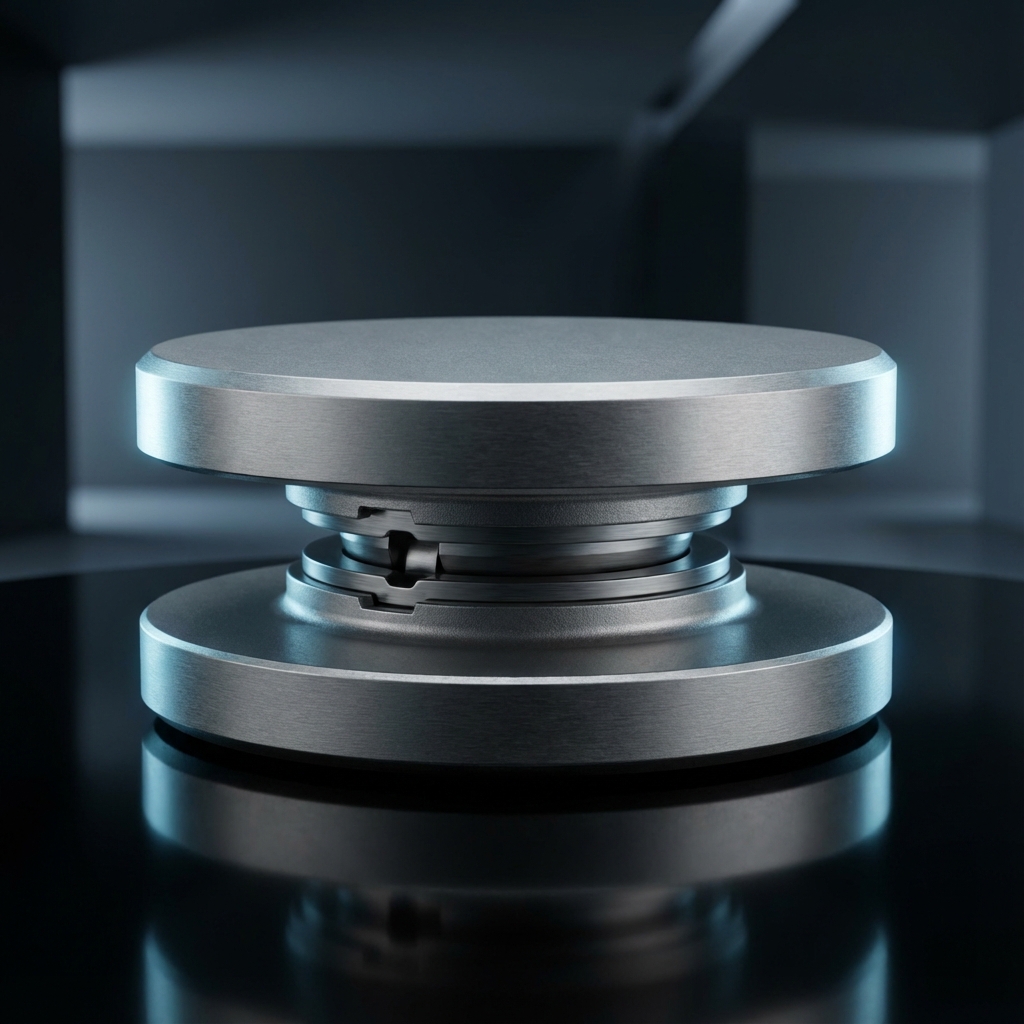
Lumbar Disc Implants Implant Innovation
Comprehensive overview of advanced lumbar disc replacement implants featuring state-of-the-art materials, sophisticated biomechanical design, and proven clinical outcomes. Understanding implant technology is crucial for informed decision-making about lumbar disc replacement surgery.
Advanced Materials
Biomechanical Properties
Viscoelastic
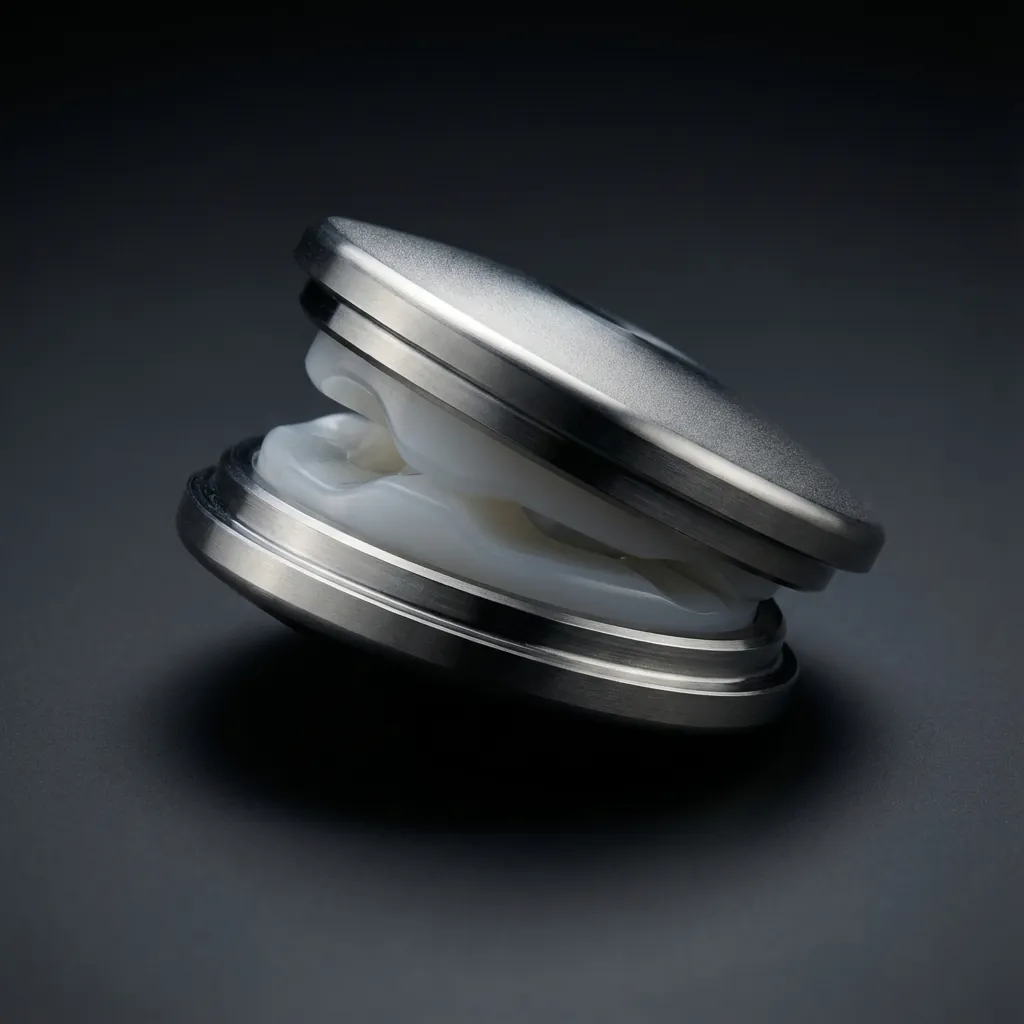
Advanced viscoelastic core materials providing natural disc behavior while maintaining structural integrity and durability for optimal long-term outcomes.
Endplate Design
osseointegration
Titanium
Titanium endplates with advanced surface technology promoting osseointegration and long-term stability while maintaining biological compatibility.
Clinical Data
Evidence-Based
Proven
Extensive clinical data demonstrating safety, efficacy, and long-term durability of lumbar disc replacement systems with favorable outcomes compared to fusion.
Understanding Lumbar Disc TechnologyEngineering Innovation for Motion Preservation
Modern artificial lumbar discs represent extraordinary engineering achievements combining advanced materials science, sophisticated biomechanical design, and proven clinical performance validated through rigorous long-term research extending beyond two decades.
Unique Demands of Lumbar Spine Biomechanics
The lumbar spine experiences some of the highest mechanical loads in the human body, creating extraordinarily demanding engineering challenges for artificial disc prostheses. These substantial loads must be distributed evenly across vertebral endplates whilst maintaining structural integrity over millions of loading cycles.
Why Implant Technology Matters
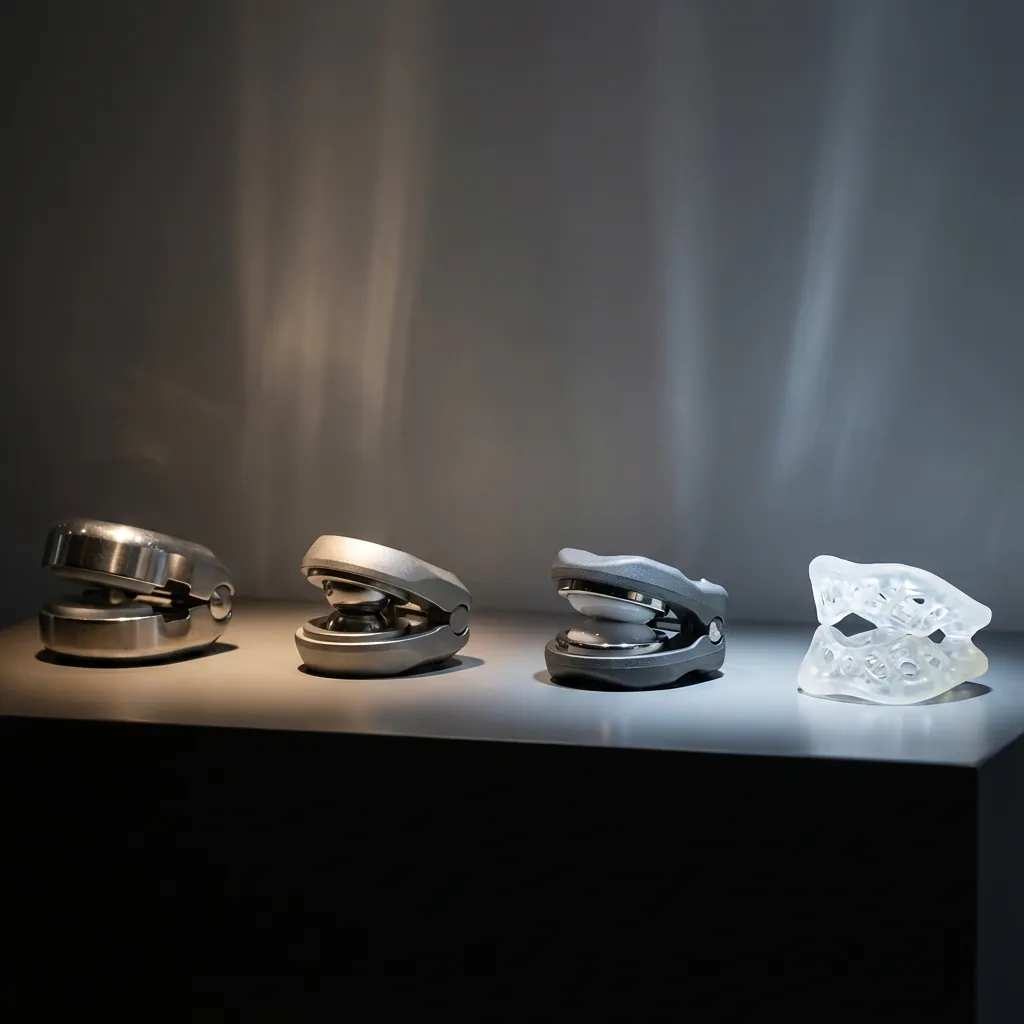
Evolution of Implant Design
Current Innovation
2010s–PresentBiomimetic approaches replicating natural disc viscoelastic properties
Five TGA-Approved Lumbar Disc Systems
Five major TGA-approved devices now offer complementary design approaches addressing diverse patient circumstances and surgeon preferences: Charité, ProDisc-L, LP-ESP, Baguera-L, and activL.
Natural Lumbar Disc BiomechanicsSix Degrees of Freedom
Natural lumbar discs enable sophisticated motion encompassing six distinct degrees of freedom that combine to create the movement characteristic of a healthy lower back. These fundamental movement patterns provide the biomechanical blueprint guiding artificial disc design.
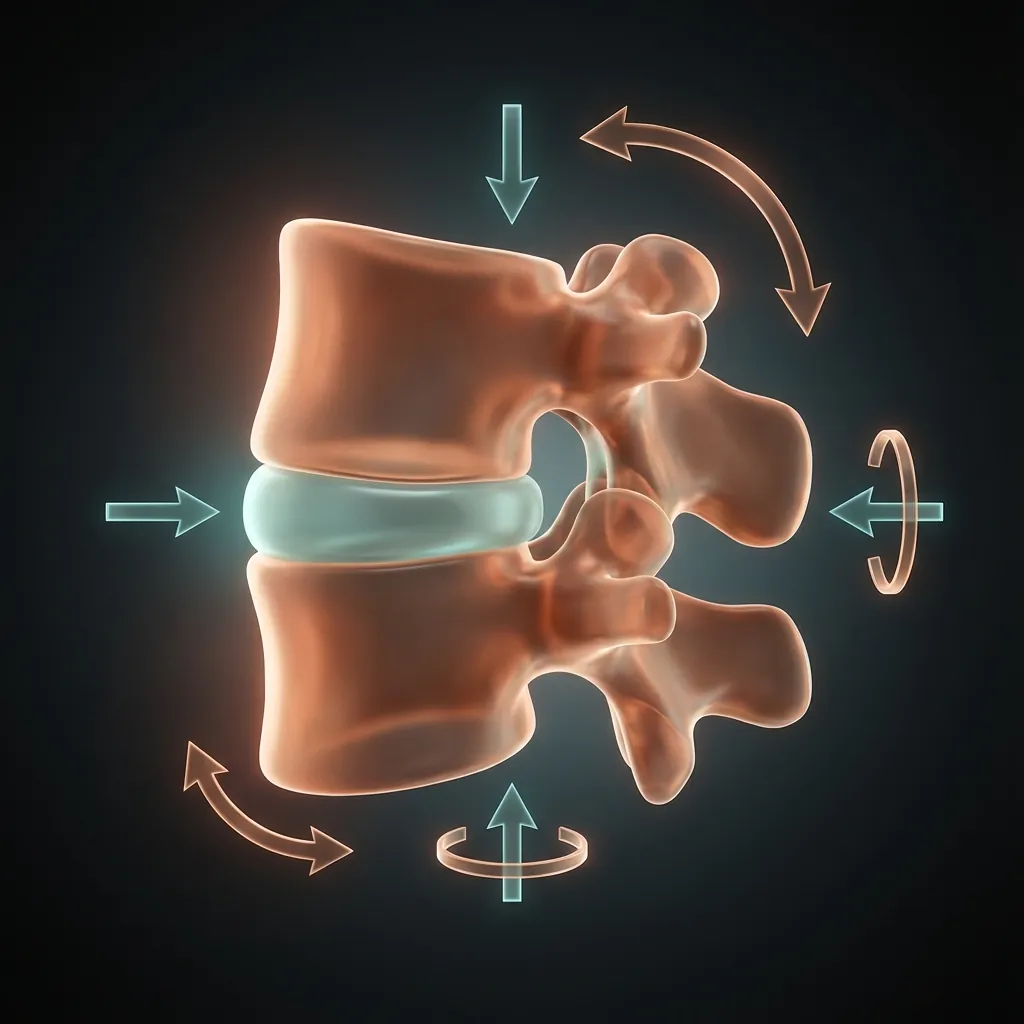
Movement Patterns
Motion Coupling Relationships
The remarkable characteristic of natural lumbar disc motion involves sophisticated coupling relationships where motion in one plane automatically influences motion in other planes through mechanical properties of disc tissue and anatomical constraints.
Lateral Bending + Axial Rotation
Lateral bending typically couples with axial rotation, though magnitude and direction vary among individuals
Flexion-Extension + Shear
Flexion-extension often couples with subtle anterior or posterior shear depending on load conditions
Design Challenge: Artificial disc systems must replicate these coupling patterns to achieve natural-feeling motion and prevent abnormal stress patterns on facet joints and ligaments.
Implant Design PhilosophiesBalancing Motion and Stability
Modern lumbar disc prostheses employ varying constraint philosophies reflecting different approaches to balancing the competing requirements of motion preservation and stability. Understanding these design differences is essential for optimal implant selection.
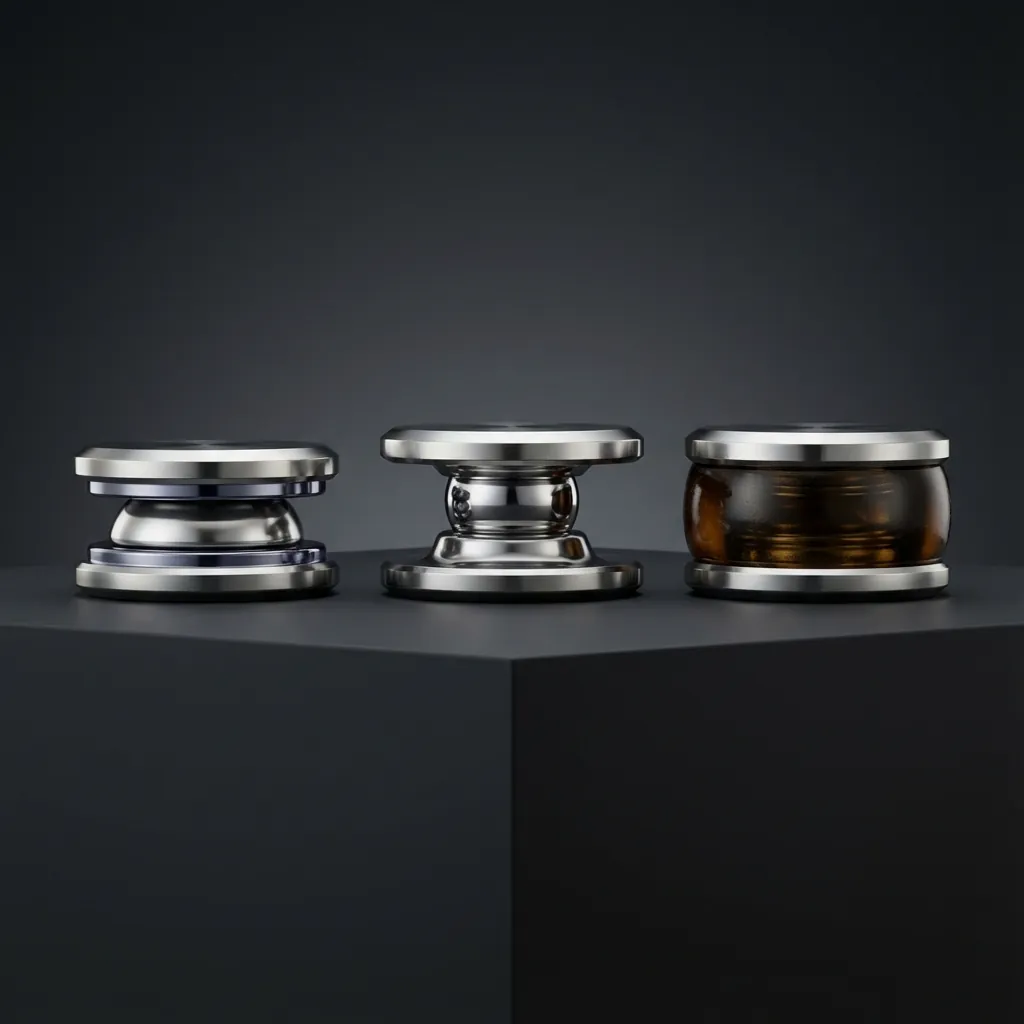
Constraint Philosophy
Unconstrained Design
Relies entirely on surrounding ligaments, facet joints, and intervertebral muscles for motion limitation, providing the most natural kinematics.
Key Characteristics
Advantages
Considerations
Articulation Mechanisms
The Charité Artificial DiscPioneer of Motion Preservation
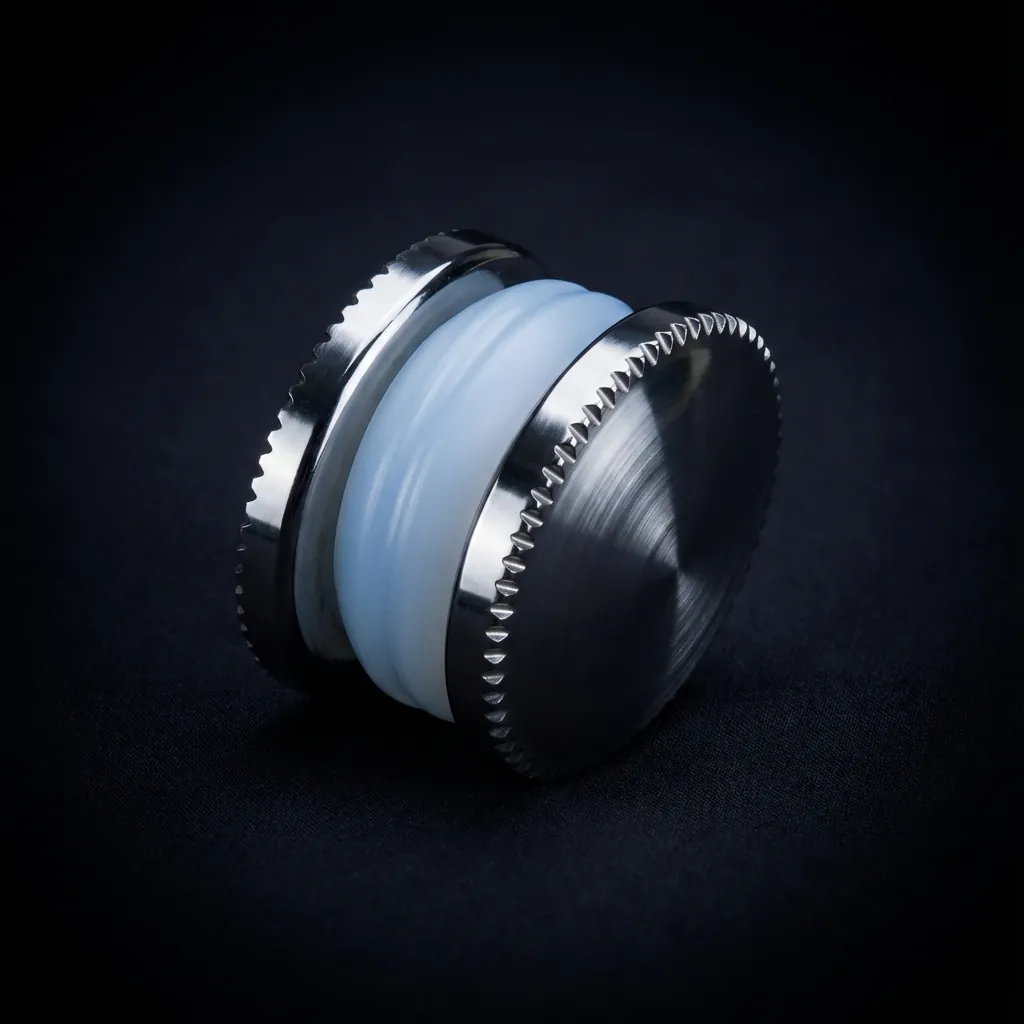
The Charité Artificial Disc holds the distinction of being the first FDA-approved lumbar disc replacement and has provided the longest clinical experience of any artificial disc prosthesis. Developed by Dr Karin Büttner-Janz and Dr Kurt Schellnack in East Berlin during the 1980s, the Charité established many fundamental principles that continue to guide disc replacement technology development today.
Historical Significance
With more than 15,000 implants worldwide and follow-up data extending beyond 15 years, the Charité has demonstrated sustained clinical benefit and motion preservation in appropriately selected patients. The device pioneered the concept of mobile-bearing disc replacement.
Unconstrained Design Features
Long-Term Clinical Validation
Long-term studies spanning up to 17 years demonstrate maintained range of motion and exceptional patient satisfaction rates. The Charité established the evidence base proving lumbar disc replacement as a viable alternative to fusion surgery.
Adjacent Segment Protection: Only approximately 2–4% of patients require fusion at adjacent levels over 15+ years, substantially lower than the 15–25% rates observed with lumbar fusion. This represents one of the most significant long-term advantages of motion preservation.
ProDisc-L SystemRefined Ball-and-Socket Technology
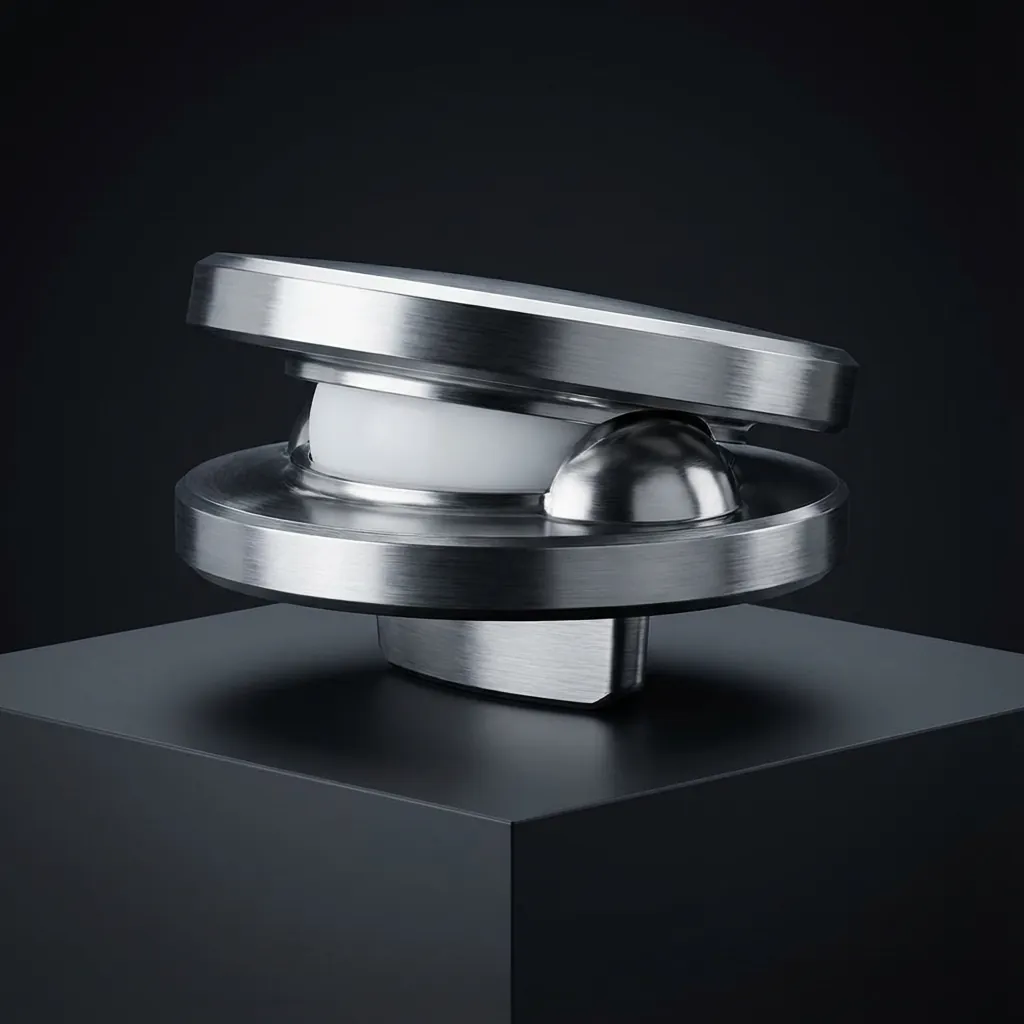
The ProDisc-L represents a refined approach to lumbar disc replacement, incorporating lessons learned from earlier devices whilst introducing design innovations aimed at improving clinical outcomes and surgical technique. The device exemplifies the ball-and-socket design philosophy providing mechanical simplicity with proven durability validated through 21 years of follow-up.
First Multi-Level FDA Approval (2020)
In 2020, ProDisc-L became the first lumbar disc prosthesis approved by the FDA for one or two contiguous levels from L3–S1. This expanded indication acknowledges the reality of multi-level degenerative disease whilst requiring extensive clinical validation of safety and efficacy at multiple levels.
Ball-and-Socket Design
Clinical Success by Level
Critically, studies demonstrate equivalent long-term outcomes between 1-level and 2-level procedures, validating the safety and efficacy of multi-level implantation.
Landmark 21-Year Follow-Up Study
1,187 patients receiving 1–2 level ProDisc-L implants (1,602 total prostheses) in one of the largest evaluated cohorts
Durability: The ProDisc-L demonstrates exceptional long-term durability with maintained segmental motion averaging 7–9 degrees at extended follow-up. The ball-and-socket design provides proven wear resistance adapted from hip and knee arthroplasty experience.
LP-ESP SystemThe Viscoelastic Revolution
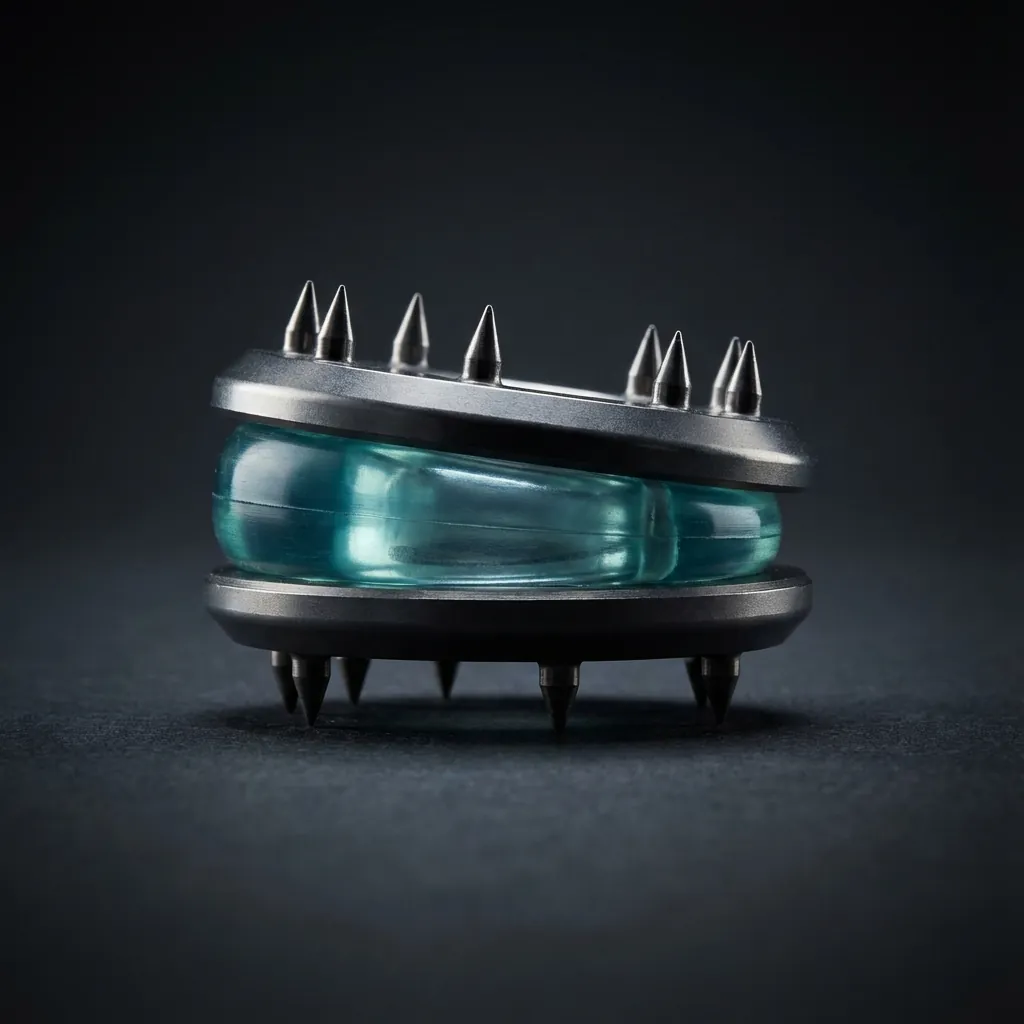
The LP-ESP (Elastic Spine Pad) represents perhaps the most innovative approach to lumbar disc replacement, developed through 20 years of intensive research focused on replicating the viscoelastic properties of natural disc tissue. This revolutionary device exemplifies the frontier of biomimetic disc replacement technology.
Revolutionary Design Features
Wear Testing Performance
Biomimetic Innovation
Six Degrees of Freedom
Unlike rigid metal-on-polyethylene designs, the LP-ESP provides six degrees of freedom including vertical compression, more closely mimicking natural disc behaviour.
Variable Stiffness
The device demonstrates variable stiffness characteristics and elastic return properties that better replicate normal spinal biomechanics.
Progressive Resistance
The viscoelastic core progressively resists loading, providing shock absorption without mechanical stops—matching natural disc J-curve behaviour.
Torque Absorption
Incorporates pegs within the polycarbonate urethane annulus controlling rotational motion whilst absorbing approximately 50% of applied torque.
Clinical Significance: The progressive load-deformation characteristics provide shock absorption properties unavailable with rigid bearing surfaces. Extensive creep resistance testing demonstrates J-shaped deformation curves matching natural disc tissue responses under compression—a critical advancement for long-term biomechanical function.
Baguera-L SystemNext-Generation Hybrid Nucleus Technology
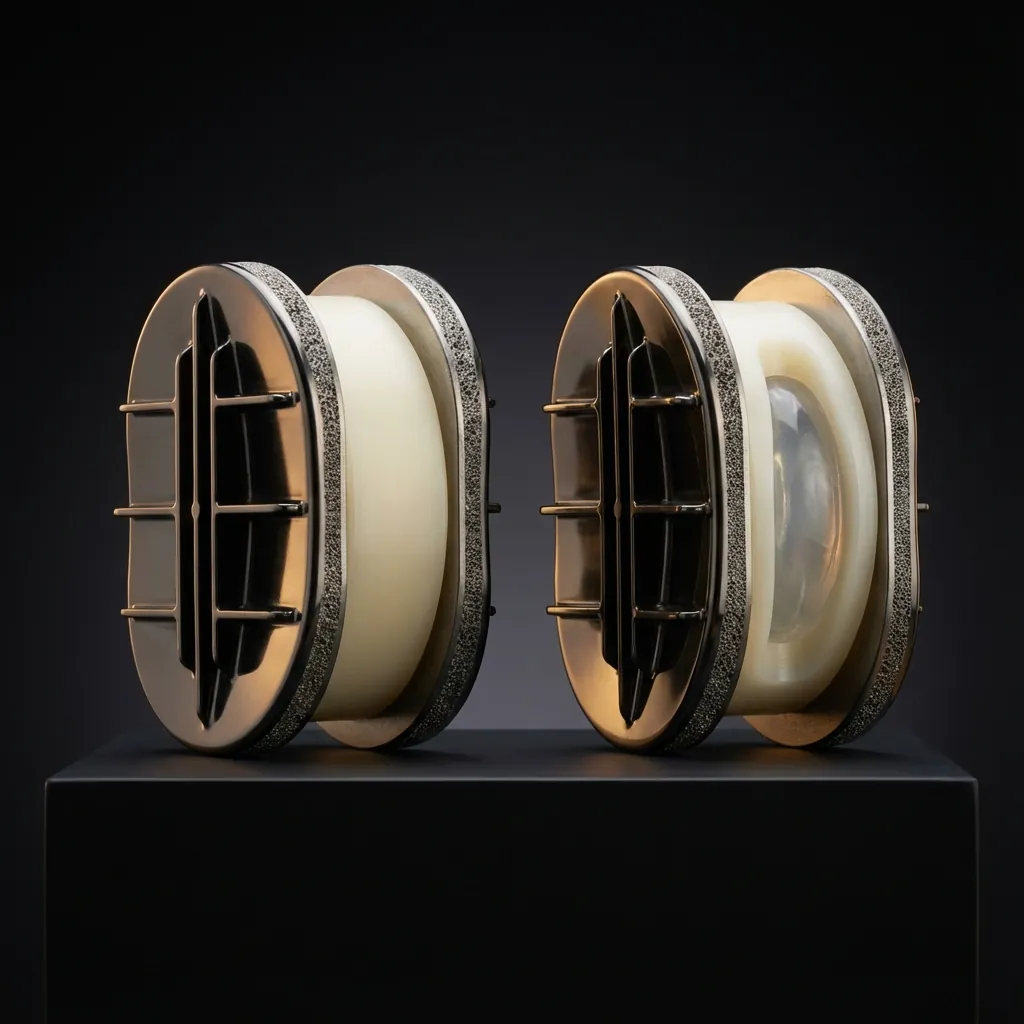
The Baguera-L represents a paradigm shift in lumbar disc replacement technology through its innovative hybrid design enabling intraoperative selection of nucleus mobility characteristics. Developed by SpineArt and launched as a reference device in the lumbar arthroplasty segment, the Baguera-L combines the advantages of both fixed and mobile nucleus designs within a single implant system.
Diamond-Like-Carbon (DLC) Coating Innovation
The titanium alloy endplates are coated with Diamond-Like-Carbon, significantly reducing MRI artefacts whilst maintaining excellent imaging compatibility. This coating innovation addresses a critical clinical limitation of traditional metallic implants, enabling superior postoperative imaging assessment for patient monitoring and complication detection.
Intraoperative Selectable Nucleus
The transformative feature of Baguera-L enables surgeons to choose between fixed or mobile polyethylene nuclei without requiring different endplate components—allowing optimal individualisation to patient-specific requirements.
Provides mechanical constraint characteristics comparable to ball-and-socket designs, offering inherent stability particularly valuable in patients with compromised posterior elements or facet joint degeneration.
MRI Compatibility
MR-Conditional with reduced image artefacts extending approximately 3.8 cm from the implant
Advanced Design Features
Surgical Flexibility
The ability to select nucleus mobility intraoperatively eliminates the need for multiple complete implant sets, improving surgical efficiency. Surgeons can optimise the implant to individual patient biomechanical requirements and anatomical variations discovered during surgery.
Long-Term Clinical Validation
Comprehensive study of 120 patients (74 single-level, 46 multi-level) with extended follow-up (mean 13.88 years, with some patients extending to 14.88 years) demonstrates exceptional clinical performance.
Safety Profile
Zero prosthesis revision cases in long-term follow-up cohort. No cases of implant migration, breakage, or prosthesis failure.
Multi-Level Equivalence
Both single-level and multi-level procedures showed no statistically significant differences in outcomes (p>0.05).
activL Total Disc ReplacementBiomimetic Innovation
The activL device represents advanced biomimetic design incorporating innovations addressing limitations of earlier-generation systems. FDA IDE trials demonstrated noninferior performance to control devices (ProDisc-L and Charité) with superior radiographic success rates at 2-year follow-up.
Design Characteristics
FDA IDE Trial Results
Clinical Significance
The superior radiographic success rates at 2-year follow-up indicate improved early imaging outcomes, positioning activL as a promising option for patients requiring lumbar disc replacement with optimised imaging characteristics.
Biomechanical Design PrinciplesAdvanced Material Science
Successful artificial disc replacement requires restoration of physiological load distribution patterns preventing stress concentrations whilst optimising the mechanical environment for long-term spinal health. The interface between prosthetic components and vertebral endplates represents a critical design challenge.
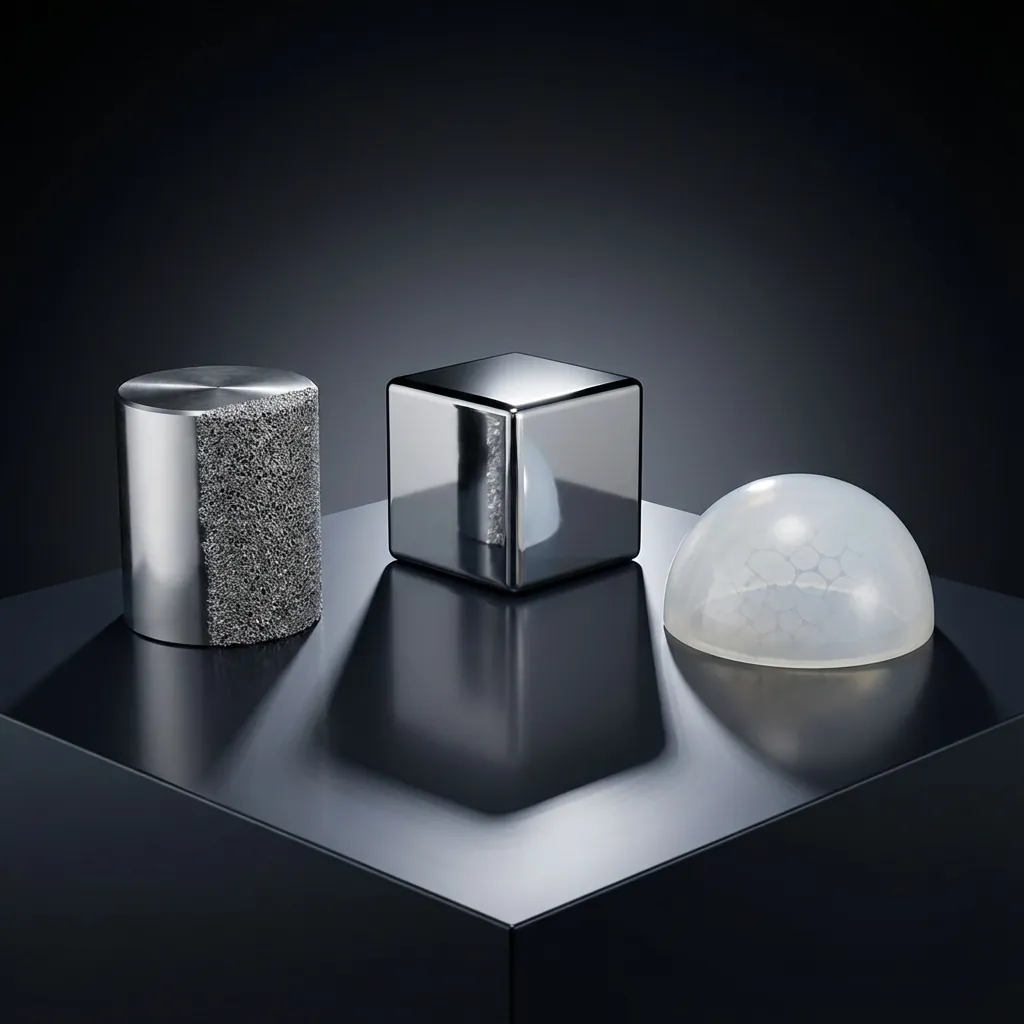
Load Distribution Principles
Footprint Optimisation
Larger coverage implants distribute loads over maximum surface area, reducing contact stresses and providing enhanced resistance to subsidence.
Modulus Matching
Titanium alloys provide modulus values closer to bone compared to cobalt-chromium, potentially reducing stress shielding effects that could compromise long-term bone quality.
Load Distribution
Interface between prosthetic components and vertebral endplates must prevent stress concentrations whilst optimising the mechanical environment for long-term spinal health.
Material Technologies
Endplate materials providing structural integrity and fixation
Biological Integration and MRI Compatibility
Osseointegration at the bone-implant interface is critical for long-term implant stability and appropriate load transfer. MRI compatibility represents an increasingly important clinical consideration, as patients may require postoperative imaging for evaluation of symptoms or adjacent segment pathology—particularly important for younger patients who may require multiple imaging studies over decades.
Long-Term Performance15–21 Year Clinical Outcomes
Extensive clinical research demonstrates that contemporary lumbar disc implants successfully maintain segmental motion throughout extended follow-up periods. The evidence base now extends to 21 years, validating lumbar disc replacement as a proven alternative to fusion surgery.
Motion Preservation
Different devices maintain segmental angular motion at extended follow-up, validating the fundamental principle of motion preservation. Importantly, residual motion loss does not correlate with accelerated adjacent segment degeneration or poor clinical outcomes.
Contemporary lumbar disc implants demonstrate acceptable safety profiles with complication rates generally comparable to or lower than lumbar fusion surgery. Serious implant-related adverse events occur in approximately 3–12% of patients by 10-year follow-up.
Heterotopic ossification (abnormal bone formation) represents the most common complication. However, most patients experience no functional limitation, with only 1–2% showing clinical effects on device function or pain relief.
TGA-Approved Lumbar Disc SystemsComprehensive Comparison
Five lumbar disc replacement systems are currently approved by the Therapeutic Goods Administration (TGA) for use in Australia, each offering distinct design philosophies, material technologies, and clinical performance characteristics.
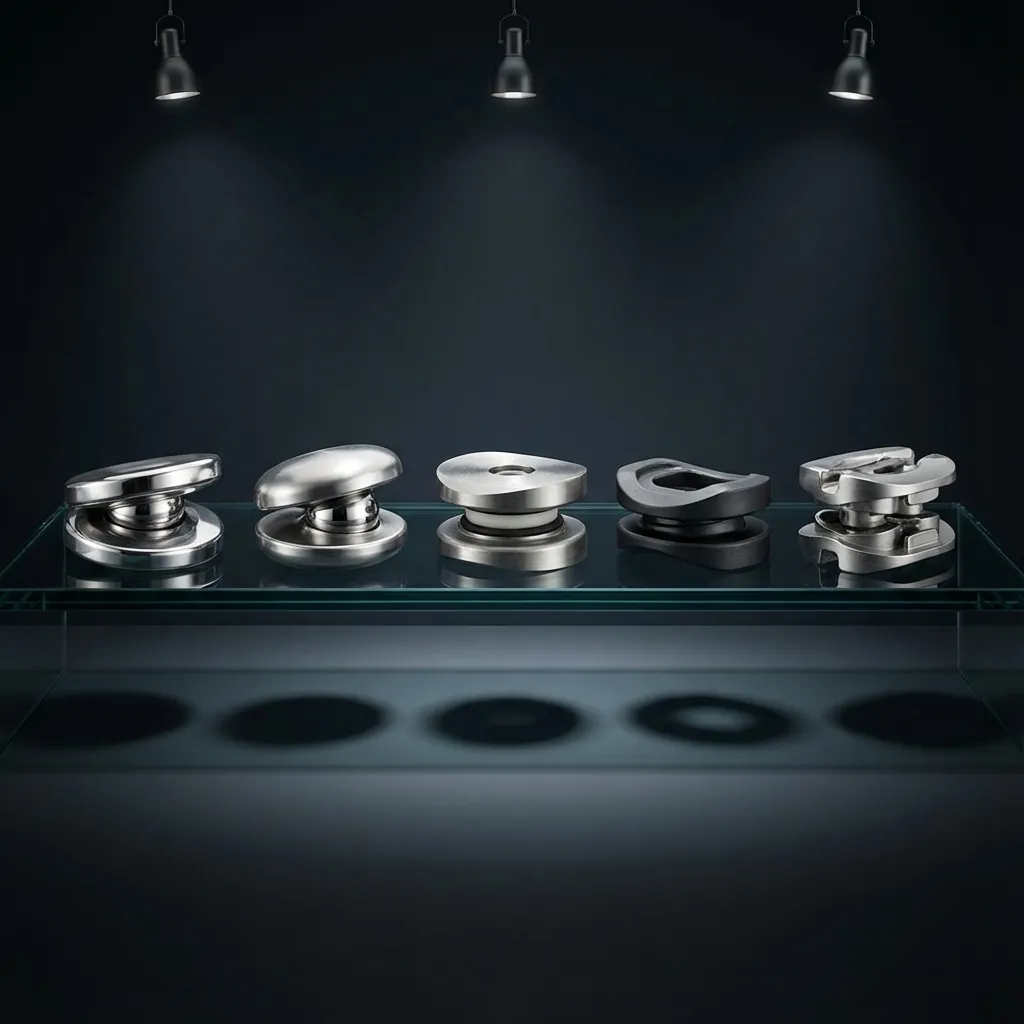
Note: This comparison presents general device characteristics. Individual patient suitability depends on specific clinical circumstances, surgeon preference, and comprehensive preoperative assessment. All TGA-approved devices demonstrate acceptable long-term durability with 13–21 year data validating sustained clinical benefit.
Patient-Specific Implant SelectionIndividualised Approach to Motion Preservation
Optimal lumbar disc replacement outcomes require careful matching of device characteristics to individual patient requirements. Multiple factors including patient demographics, anatomical considerations, and clinical circumstances should guide device selection.
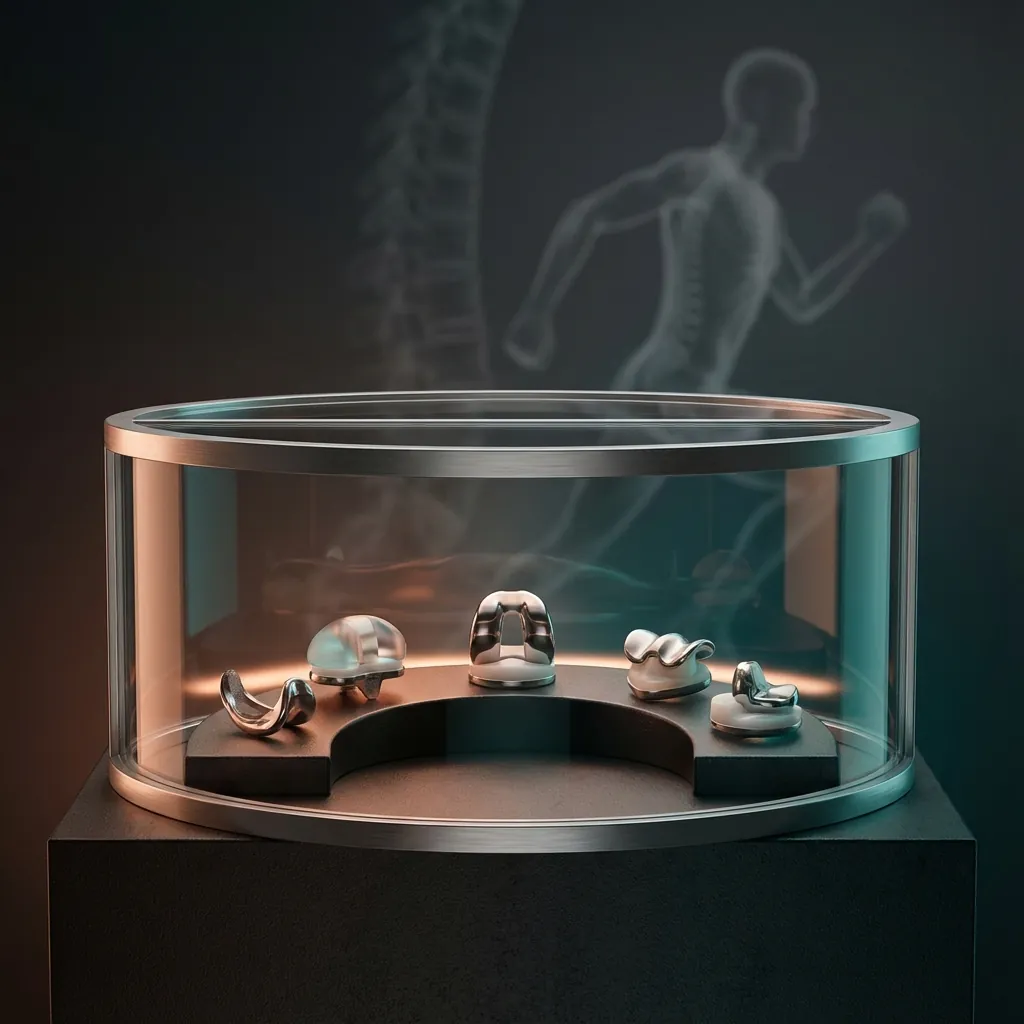
Anatomical Matching Considerations
Single-Level vs Multi-Level Disease
ProDisc-L offers unique FDA approval for one or two contiguous levels (L3–S1). Multi-level implantation requires careful patient selection and surgical expertise.
Disc Space Geometry
Disc height, lordotic angle, and vertebral endplate size influence implant selection. Pre-operative templating ensures optimal size matching.
Centre of Rotation Considerations
Fixed CoR designs (ProDisc-L) suit patients requiring predictable mechanics. Variable CoR designs (Charité, LP-ESP) may better replicate physiological motion.
Durability Expectations
With modern cross-linked polyethylene and advanced surface treatments, all contemporary TGA-approved devices demonstrate acceptable long-term durability for typical patient lifespans.
Future DirectionsEmerging Technologies in Disc Replacement
The field of lumbar disc replacement continues to evolve with emerging technologies promising even more physiological motion restoration and improved long-term outcomes in coming decades.
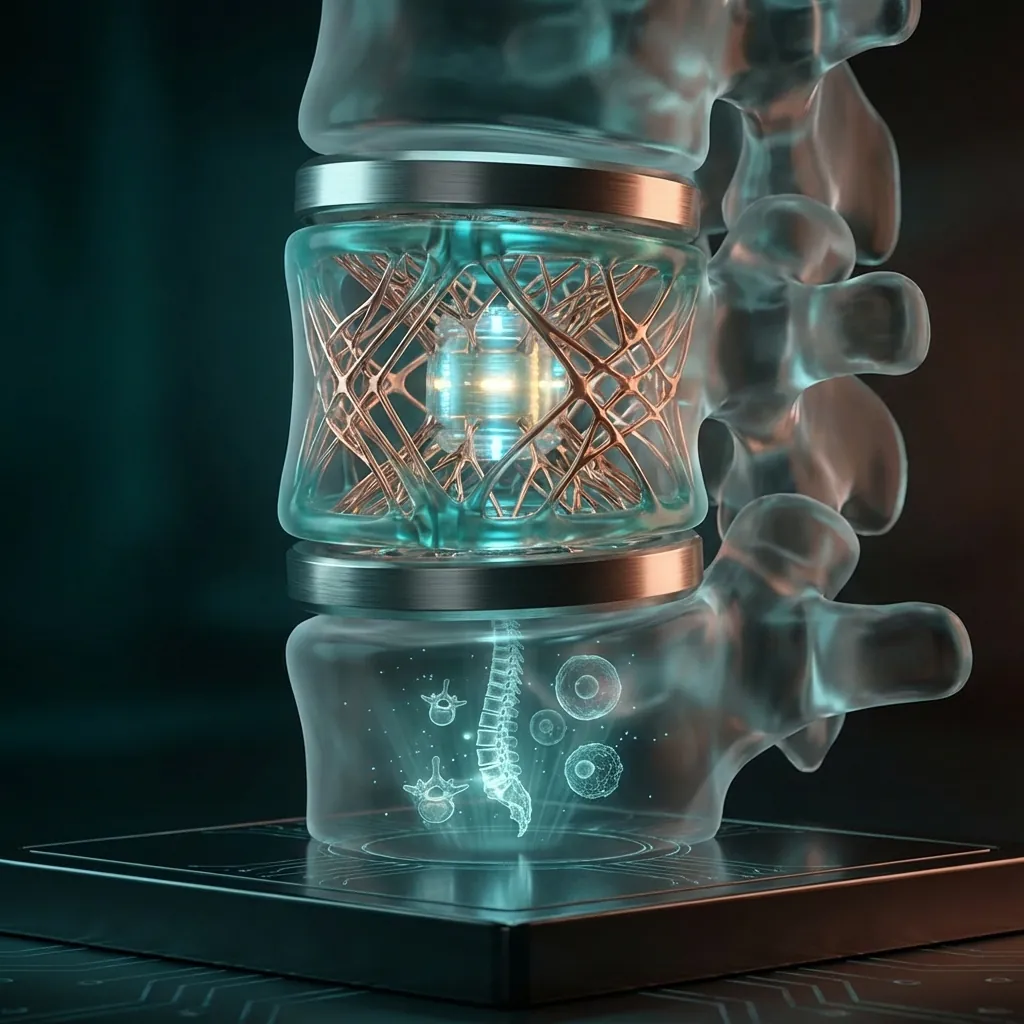
Smart Materials and Adaptive Systems
Future artificial discs may incorporate materials that adapt to loading conditions, providing variable stiffness characteristics that more closely replicate natural disc behaviour throughout different activities.
Personalised 3D-Printed Implants
Additive manufacturing techniques may enable patient-specific implant designs optimised for individual anatomical characteristics. Custom implants could provide superior fit and load distribution.
Biological Integration
Research continues exploring integration of artificial disc technology with regenerative medicine approaches, potentially combining mechanical motion restoration with biological tissue regeneration.
The Vision Ahead
Whilst these emerging technologies remain largely investigational, they represent the continued commitment of the scientific community to improving outcomes for patients with symptomatic lumbar disc disease. The evolution from early experimental devices to contemporary sophisticated prostheses provides confidence that further advancement will continue to extend the benefits of motion preservation to ever-wider patient populations.
The Evidence Is ClearMotion Preservation Works
Contemporary lumbar disc replacement technology offers mature, proven solutions for appropriately selected patients with symptomatic degenerative disc disease. The evidence base now extends to 21 years, providing exceptional confidence in long-term outcomes.
Key Clinical Evidence
Ideal Patient Criteria
Device Selection Guidance
Expert Surgical Technique
Successful outcomes depend not only on appropriate patient selection but also on expert surgical technique. The anterior approach to the lumbar spine requires specialised training and experience. Surgeon volume and expertise correlate with improved outcomes and reduced complication rates. Patients should seek surgeons with demonstrated expertise in both patient selection and surgical execution.
Begin Your Motion Preservation Journey
If you are experiencing persistent low back pain that has not responded to conservative treatment, lumbar disc replacement may restore your quality of life whilst preserving natural spinal motion. Schedule a consultation to discuss your options.