
Lumbar Postoperative Care Recovery Outcomes
Comprehensive postoperative care protocols for lumbar disc replacement surgery including pain management, activity progression, rehabilitation programs, and long-term follow-up care to ensure optimal outcomes and sustained pain relief.
Pain Relief
Clinical Success
90%
90% of patients experience significant pain relief following lumbar disc replacement surgery with sustained benefits at long-term follow-up evaluations.
Natural Motion
Function Maintained
Preserved
Preserved natural lumbar spine motion with maintained range of movement and functional capacity allowing return to normal activities and sports.
Long-term Outcomes
vs Fusion
Superior
Superior long-term outcomes compared to traditional fusion surgery with reduced adjacent segment degeneration and maintained spinal function over time.
Immediate Postoperative ManagementThe Critical First Hours
The immediate postoperative period following lumbar disc replacement focuses on five primary clinical objectives: ensuring neurological stability, managing pain effectively, preventing common complications, establishing early mobilisation, and preparing patients for safe hospital discharge.
Outpatient or Short-Stay Setting — The Motion-Preserving Advantage
Most lumbar disc replacement procedures are performed in outpatient or short-stay settings, with patients typically discharged within 24 hours postoperatively. This substantially shorter hospital stay compared to lumbar fusion surgery (typically 3–5 days) reflects the minimally traumatic retroperitoneal approach and the absence of bone graft healing requirements inherent to fusion procedures.
Neurological Stability
Ensuring cardiovascular and neurological stability with continuous monitoring and documentation of changes from preoperative baseline
Effective Pain Management
Managing pain effectively through multimodal approaches whilst minimising opioid requirements and associated complications
Complication Prevention
Preventing common postoperative complications through early identification and intervention protocols
Early Mobilisation
Establishing early mobilisation beginning within 4-6 hours—a defining advantage of lumbar disc replacement
Discharge Preparation
Preparing patients for safe hospital discharge with comprehensive education and home care planning
Comprehensive Neurological Monitoring
Comprehensive neurological assessment begins immediately postoperatively in the recovery room and continues at regular intervals throughout the hospital stay. This assessment documents any changes from preoperative baseline and identifies potential complications requiring urgent intervention.
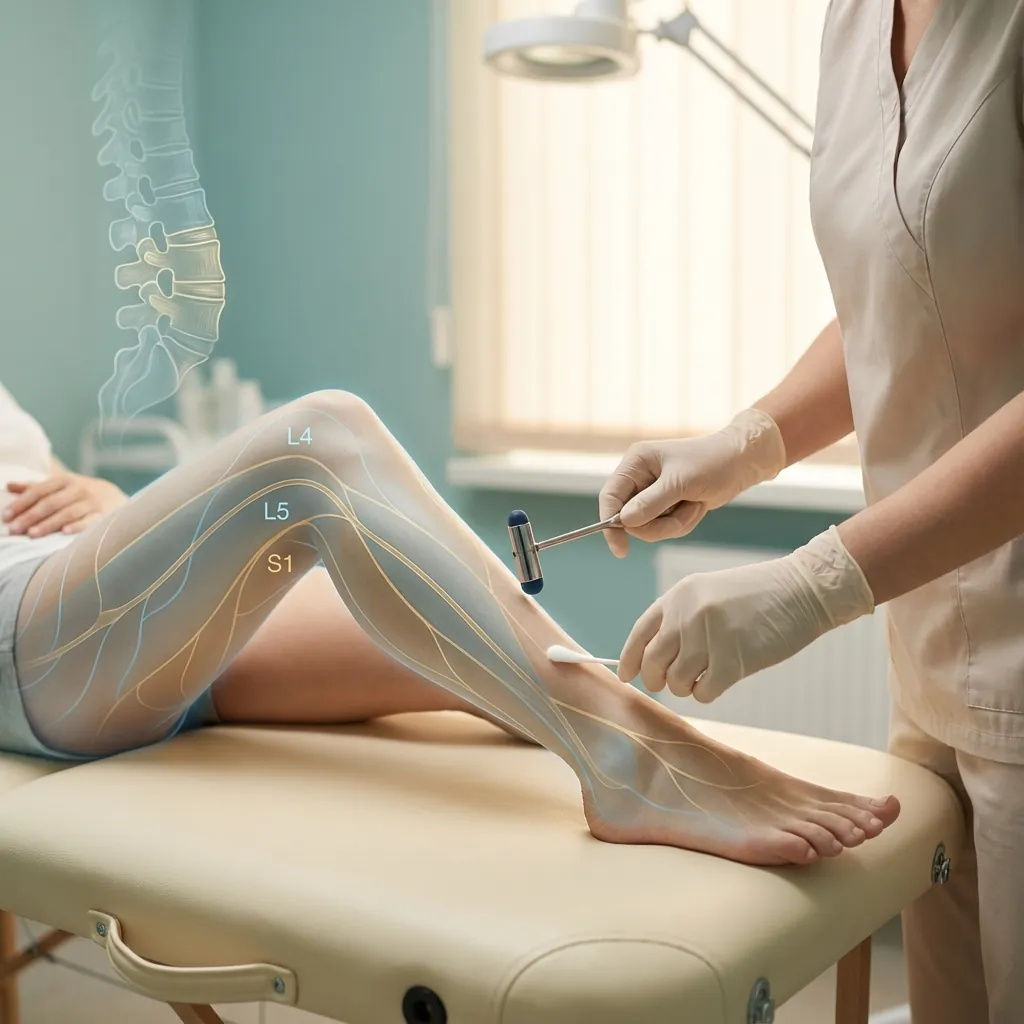
Maintain or improve neurological status
Most patients demonstrate stable or improved neurological status compared to preoperative baseline. The excellent prognosis reflects that most experience immediate improvement from decompression of previously compressed nerve roots.
Neurological Status Change Protocol
New or progressive neurological deficits require immediate action:
Early recognition and investigation is essential—early intervention significantly improves outcomes.
Multimodal Pain ManagementEvidence-Based Analgesia
Multimodal analgesia is designed to provide adequate pain control whilst minimising opioid medications and their associated complications including nausea, sedation, respiratory depression, and dependency risk.
Medication-Based Approach
1000 mg every 4-6 hours (max 4g daily)
Dosed regularly to maintain therapeutic blood levels—not as-needed
400-600 mg with meals
Anti-inflammatory benefit; gastroprotection in susceptible patients
250-500 mg twice daily
Alternative NSAID; particularly effective for incisional/musculoskeletal pain
Modest doses for breakthrough pain
NOT extended-release formulations—address breakthrough pain only
48-72 hours maximum
Should be discouraged beyond initial period; discontinued within 1-2 weeks
Beyond 4 weeks = investigation
Suggests overlooked complications or unrealistic expectations
When technically feasible
Excellent pain relief with reduced opioid requirements
150-300 micrograms
Consider for opioid-sensitive patients or history of misuse
Intraoperative infiltration
Extended analgesia lasting 24-72 hours; substantially improves comfort
At wound closure
Extends analgesia through continued diffusion from surgical field

Expected Pain Characteristics
Incisional Discomfort
Greatest days 1-2; gradual daily improvement
Back Stiffness
Resolves more rapidly than incisional discomfort with mobilisation
Referred Thigh/Groin Pain
Common; reflects surgical access and temporary nerve irritation; resolves days to weeks
Leg Pain Resolution
Immediate improvement from neural decompression—rapid relief expected
Leg Pain Resolution Expected
Leg pain should dramatically diminish or resolve entirely immediately after surgery, as neural decompression provides rapid relief of nerve compression. This is a defining benefit of successful lumbar disc replacement.
Warning Signs Requiring Evaluation
The following symptoms warrant immediate medical evaluation for potential complications:
May indicate haematoma formation, deep infection, or vascular compromise requiring investigation.
Opioid Weaning Target
Evidence-based medication transition
Research indicates that approximately 90% of patients should be weaned from narcotic pain medications within 1-2 weeks, with remaining patients weaned by 3-4 weeks.
Continued opioid reliance beyond 4 weeks suggests possible complications (infection, implant malposition, inadequate decompression) or unrealistic expectations—warranting investigation and supportive counselling.
Early MobilisationThe Lumbar Disc Replacement Advantage
Early mobilisation beginning within 4-6 hours postoperatively represents a defining advantage of lumbar disc replacement compared to fusion surgery. Unlike fusion—which requires extended immobilisation to permit bone healing—lumbar disc replacement permits immediate motion without external restriction.
Mobilisation Timeline
Hours 0-4: Bed Rest with Movement
Remain supine while anaesthesia effects persist
Mobilisation Benefits
Venous Thromboembolism Prevention
Muscle contraction during movement maintains venous return; early mobilisation substantially reduces blood clot risk compared to immobilised patients. Given the retroperitoneal approach's manipulation of major veins, VTE prophylaxis is essential.
Pneumonia Prevention
Early mobilisation enables lung expansion and respiratory secretion clearance, reducing atelectasis and pneumonia risk associated with prolonged bed rest.
Gastrointestinal Function
Mobilisation significantly improves bowel motility and reduces ileus risk—one of the most effective non-pharmacological interventions for postoperative bowel dysfunction.
Deconditioning Prevention
Early movement preserves muscle function and cardiovascular fitness that rapidly deteriorate with immobility.
Psychological Benefit
Early mobility enhances patient confidence and demonstrates that function is preserved despite major surgery.
Gastrointestinal Management
Gastrointestinal complications represent the most common postoperative concern following lumbar disc replacement, occurring secondary to the retroperitoneal approach and associated visceral manipulation during surgical exposure.
Expected GI Changes
Ileus Monitoring
Management Protocol

Pain-Guided Mobilisation Approach
Patients should be encouraged to mobilise as tolerated, with clear understanding that some discomfort is expected but should not prevent activity advancement.
Most patients naturally self-limit movements due to mild discomfort rather than true contraindication. Nursing and therapy staff should encourage progressive mobilisation with reassurance that activity is beneficial and safe.
Discharge & Home RecoveryFirst Week at Home
Most patients are suitable for discharge within 24 hours following uncomplicated lumbar disc replacement—substantially shorter than typical fusion procedures (3-5 days hospitalisation). The first week at home focuses on pain management, protection of the healing surgical site, and gradual activity increase.
Medical Stability Criteria
Home Environment Readiness
Comprehensive Discharge Education
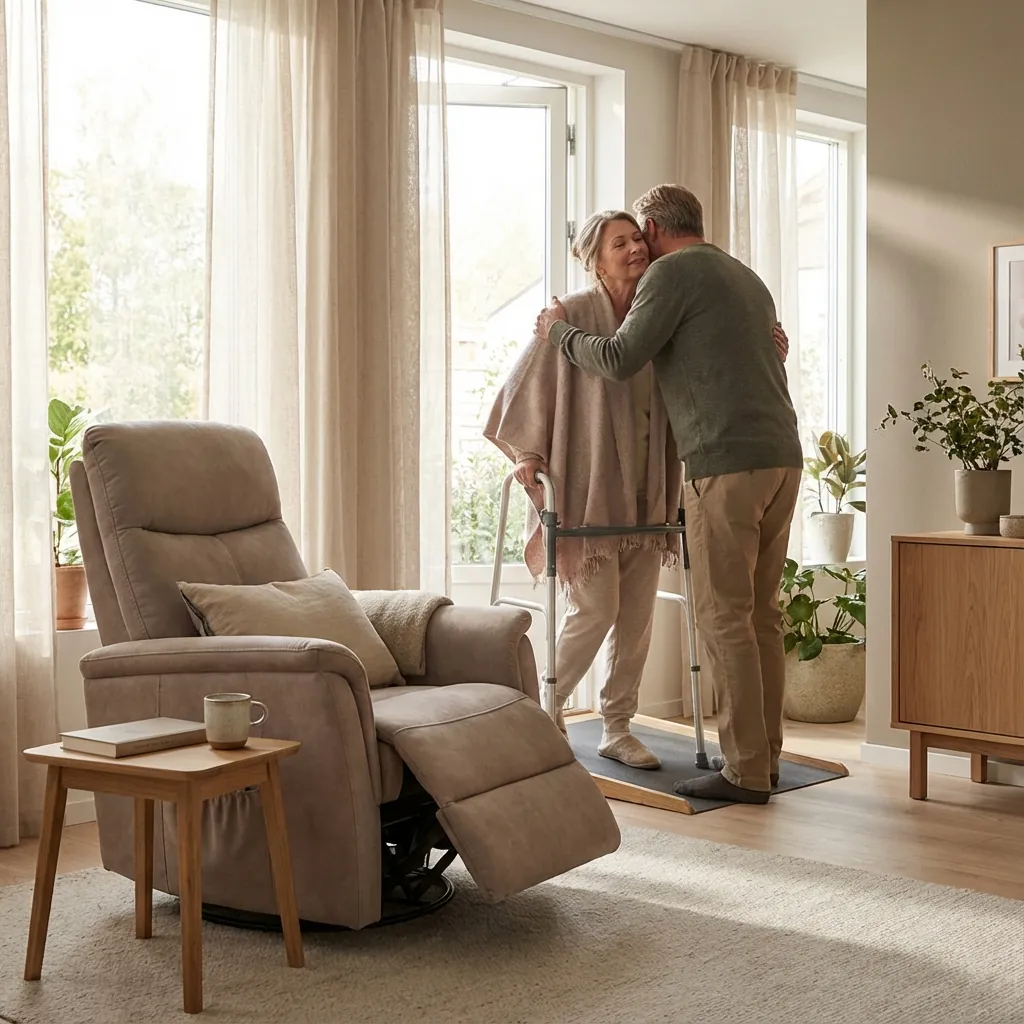
Expected Symptoms: Week 1
Incision Discomfort and Stiffness
Most pronounced on postoperative days 2-3; gradual improvement with activity and time
Mild redness at incision borders is normal; spreading erythema or excessive swelling requires evaluation
Abdominal Bloating
Usually resolves by postoperative day 3-4
Persistent symptoms beyond this warrant medical evaluation
Referred Thigh or Groin Pain
Common; reflects surgical access through retroperitoneal approach
Typically resolves within days to one week
Fatigue
Marked fatigue is expected; most patients require 12-14 hours sleep daily initially
This represents normal postoperative recovery—reassurance helps prevent anxiety
Sleep Disturbance
Some patients experience difficulty due to positional limitations or pain
Improvement occurs rapidly as symptoms resolve
Appetite Changes
Mild appetite reduction is common and usually brief
Ensure adequate hydration and calories as tolerated
Wound Care Protocol
Daily Incision Assessment
Mild redness at borders normal; spreading erythema, warmth, swelling, or discharge (particularly purulent/foul-smelling) requires evaluation
Showering
Permissible within 48-72 hours with waterproof dressing protection
Bathing/Submersion
Defer until incision fully healed (typically 2-3 weeks)
Sutures
Most surgeons use absorbable sutures (no removal needed) or skin adhesive; non-absorbable removal at 10-14 days
Scar Management
Initial scars (slightly red/raised) gradually fade over weeks to months; sunscreen prevents darkening
Contact Information
Surgeon office: For urgent questions during business hours
Emergency contact: For after-hours concerns
Early Recovery PhaseActivity Progression & Work Return
Activity restrictions during weeks 1-6 aim to protect the anterior surgical site and healing implant-bone interface whilst avoiding excessive immobilisation that promotes stiffness and deconditioning.
Lifting Restrictions Progression
Approximately 5 pounds (weight of a light book or small shopping bag)
Approximately 10 pounds (gradual increase)
If progressing well; further progression based on tolerance and recovery trajectory
These restrictions protect anterior structures (psoas muscle, anterior longitudinal ligament) and prevent excessive stress during critical early osseointegration phase when bone-implant contact is establishing.
Permitted Activities
Gentle motion should be encouraged—normal activities of daily living are permitted with understanding that mild discomfort is expected.

Restricted Activities
Avoid extreme forward bending, twisting motions, and combined flexion with rotation.
Return-to-Work Timeline by Occupation
Sedentary Occupations
Office work, desk-based roles, professional/administrative
Half-day or reduced week to full-time by 4-6 weeks
Ergonomic modifications essential; frequent position changes every 30 minutes
CSORN Research Evidence
Canadian Spine Outcomes and Research Network data
85-90% of patients return to work following lumbar disc replacement by 1 year
Opioid Weaning Protocol
Structured medication weaning strategy
~90% of patients should be weaned from narcotic medications within 1-2 weeks.
Intermediate Recovery PhaseRehabilitation Intensification
Weeks 6-12 represent the transition phase where most acute healing has occurred, implant osseointegration has progressed substantially, and more aggressive activity and rehabilitation can begin safely.

Activity Progression at 6-Week Milestone
Lifting Restrictions
Typically lift at 6 weeks; gradual progression based on comfort
Work Expansion
Most patients increase hours or complexity of duties
Exercise Intensification
Focus shifts to strengthening and conditioning
Sport & Recreation
Graduated return-to-sport protocols begin
Rehabilitation Phases 2 & 3
Remodelling Phase
Weeks 6-10
Goals
Interventions
Intermediate Outcome Assessment
Functional improvement is typically substantial by 12 weeks:
Pain Reduction
Reduction in back pain; leg pain typically resolved
Lumbar pain reducing from average 8.6 to approximately 1.6 at final follow-up
Return to Work
Patients returned to work by 12 weeks
Oswestry Disability Index improves from 40-50% to 15-25%
Mobility
Lumbar range of motion usually approaching or exceeding preoperative
Motion preservation maintained at operated segment
Quality of Life
Improvements as pain resolves and activity normalises
Depression and anxiety scores typically improve
Lumbar Disc ReplacementRecovery Timeline
Interactive comprehensive overview of recovery milestones, expected outcomes, and key checkpoints from surgery through long-term follow-up.
13-14 Year Proven Outcomes
Lumbar disc replacement provides sustained pain relief, preserved motion, and excellent patient satisfaction with the lowest published adjacent segment disease rate.
Expected Functional OutcomesEvidence-Based Results
Pain relief following successful lumbar disc replacement demonstrates characteristic patterns supported by extensive long-term research, including validated 13-14 year follow-up data.
Back Pain Reduction
VAS scores from 8.6 → 1.6
13-14 year follow-up
Leg Pain Improvement
60-70% achieve near-complete resolution
Substantial by 4 weeks, continued through 6 months
Perfect Outcome Rating
Rate outcome as perfect (10/10) at 13+ year follow-up
Overall satisfaction 85-90%
Oswestry Disability Index Trajectory
The ODI is the gold standard for measuring lumbar spine-related disability. The minimal clinically important difference (MCID) is typically 10 points—most patients substantially exceed this threshold.
Activities of Daily Living
Enhanced ability to perform cleaning, cooking, maintenance tasks; household independence restored
Recreational Activities
Sports, gardening, hobbies resume; motion preservation facilitates activities restricted after fusion
Sleep Quality
Marked improvement as pain resolves; contributes to improved mood and energy levels
Psychological Outcomes
Depression and anxiety scores significantly reduce; restored confidence in physical capabilities
Physical Therapy ProtocolsIndividualised Rehabilitation
Physical therapy benefit remains nuanced in current evidence, with recent high-quality studies questioning whether all patients require formal supervised therapy. A shared decision-making approach determines which patients benefit most.
Key Research Findings
When Formal PT Provides Clear Benefit
Shared decision-making considers patient goals, occupational demands, baseline function, and preferences.
Typical Programme Structure
When physical therapy is pursued
Programme Components

Home Exercise Program
Consistency drives success
Consistency with home exercises drives rehabilitation success more than frequency of formal PT visits.
Typical Home Session Structure
Light activity or soft tissue mobilisation
2-3 exercises targeting primary limitations; 10-15 reps, 1-2 sets
Activity-specific or occupational-specific training
Walking or other aerobic exercise
Gentle stretching with 30-60 second holds
Total duration: 20-30 minutes; can be divided into multiple sessions.
Complications & ManagementBy Timeframe
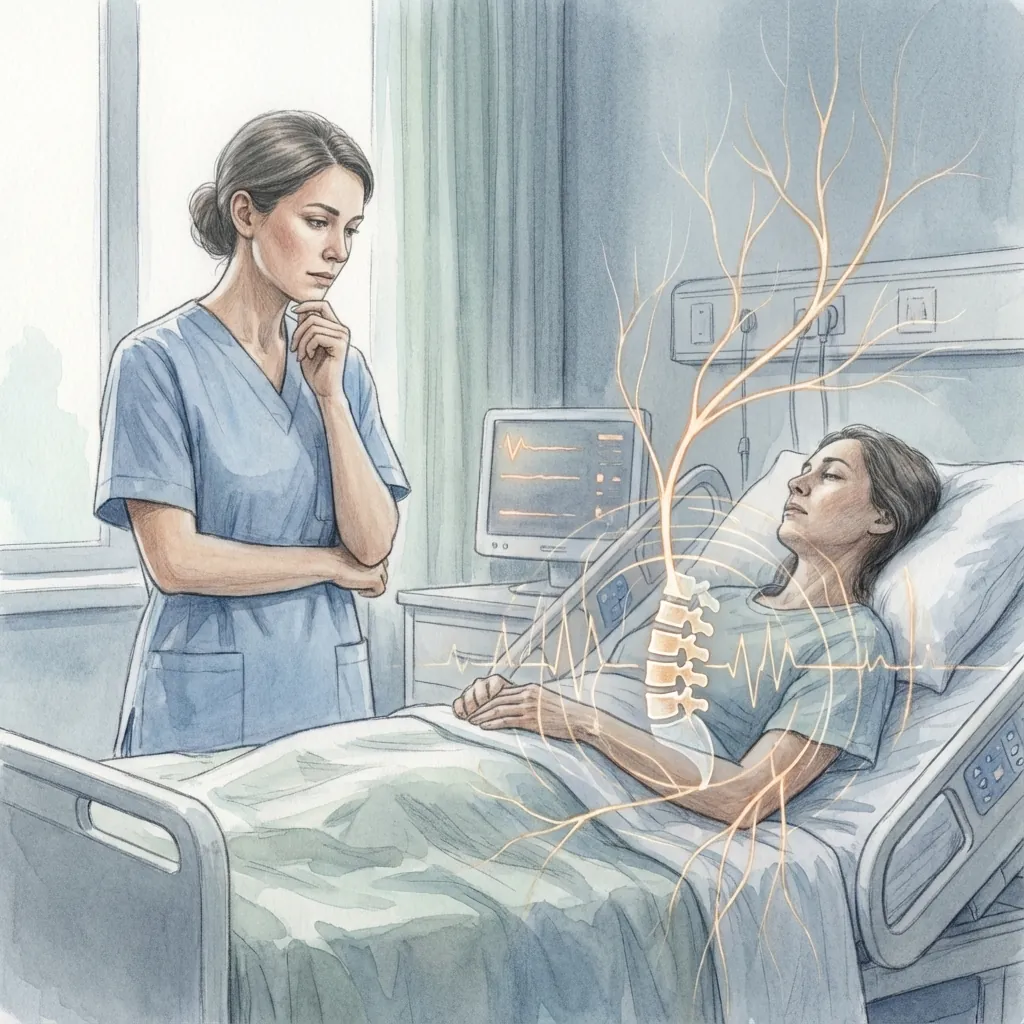
While complications following lumbar disc replacement are uncommon with modern techniques, understanding potential issues by timeframe enables early recognition and optimal management.
Vascular Complications
<1% of casesNeurological Complications
<2% of casesGastrointestinal Complications
Common (ileus)Wound-Related Complications
<1% (infection)Heterotopic Ossification (HO)
30-35% show some degreeSubsidence
Uncommon with modern implantsImplant Migration
Uncommon with proper techniqueMechanical Failure
Extremely rare with contemporary implantsAdjacent Segment Degeneration (ASD)
20-25% imaging changes by 10-15 years; <5% symptomatic requiring reoperationPersistent or Recurrent Symptoms
5-10% of patientsASD Risk Factors
Protective Factors
13-14 Year Follow-Up: Complication Rates
Long-Term Follow-UpSurveillance & Outcomes
Long-term follow-up following lumbar disc replacement documents durability of outcomes, monitors for complications, assesses motion preservation, and tracks adjacent segment status for early intervention when required.
Clinical Follow-up Schedule
13-14 Year Follow-Up Evidence
Motion Preservation Findings
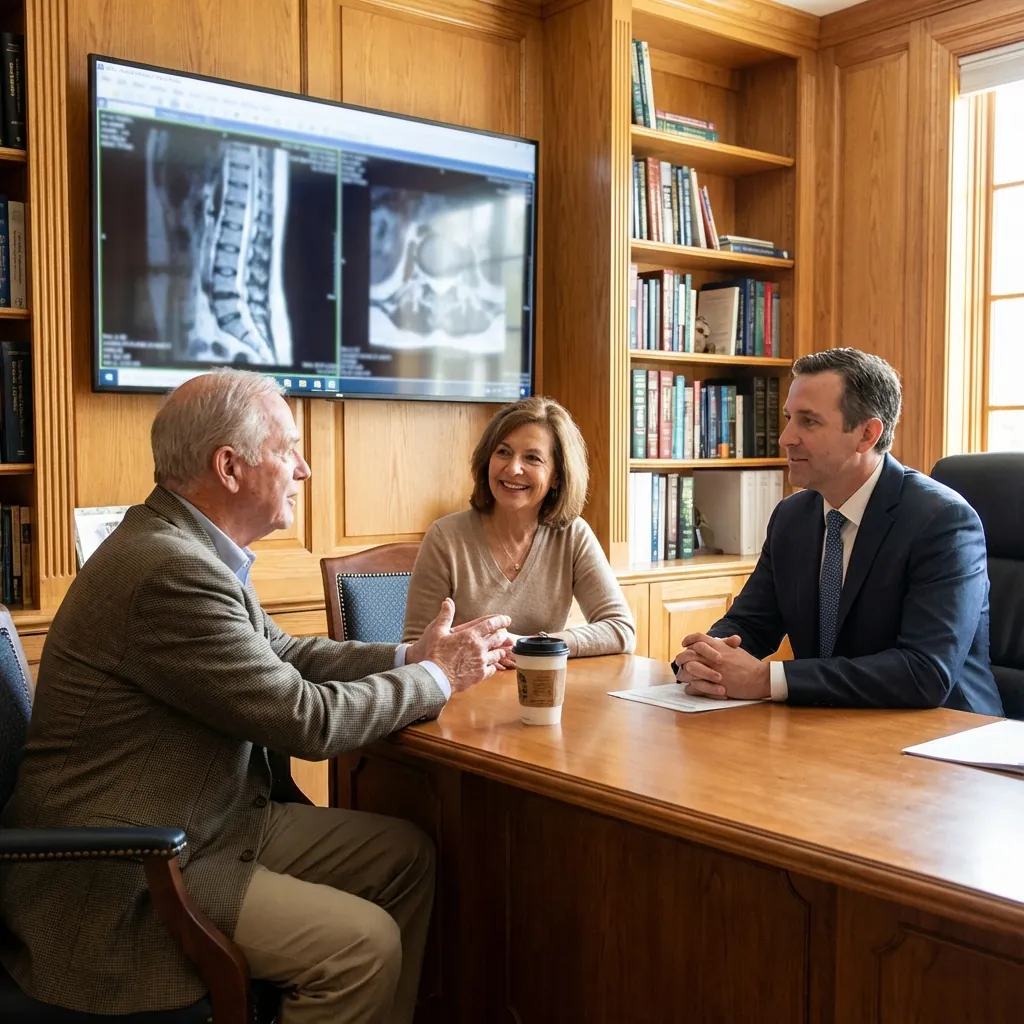
TDR vs Fusion: Long-term
Patient Education & ExpectationsLong-term Success Guidance
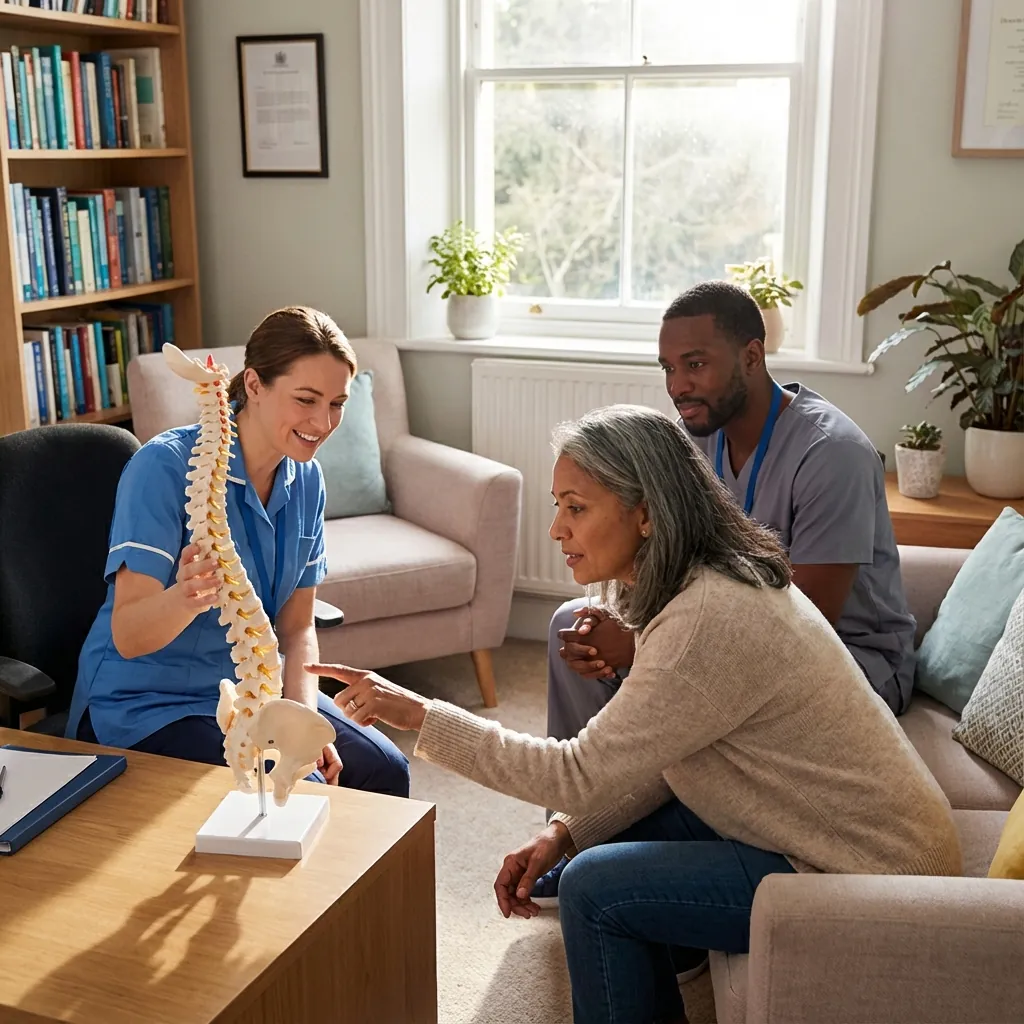
Comprehensive patient education establishes realistic recovery expectations, addresses common concerns, and provides activity guidance for optimal long-term outcomes.
Realistic Recovery Timeline
Transition from hospital to home recovery
Significant fatigue, incisional discomfort, medication focus
Increasing independence with ADLs
Pain improving; most returning to sedentary work by week 3-4
Return to light duties for most occupations
Substantial improvement; restrictions lifting
Full activity for most patients
Formal rehabilitation if needed; progressive strengthening
Maximum improvement plateau for most
Continued strengthening; return-to-sport consideration
Long-term stability established
Surveillance follow-up; maintain gains through ongoing exercise
Safe Long-term Activities
Activities Requiring Caution
Most patients can eventually participate in all activities with proper guidance.
Return-to-Sport Framework
Progressive activity advancement
Maintaining Long-term Spine Health
Posture & Ergonomics
Ongoing Exercise
Weight Management
Smoking Cessation