Cervical Disc Implants Implant Innovation
Comprehensive overview of TGA-approved cervical disc replacement implants featuring advanced materials, biomechanical design, and proven clinical outcomes. Understanding implant technology is essential for informed decision-making about cervical disc replacement surgery.
Regulatory Clearance
Safety Standards
TGA Approved
All cervical disc implants meet strict TGA regulatory requirements ensuring safety, efficacy, and quality standards for Australian patients.
Advanced Materials
Titanium & PE
Biocompatible
State-of-the-art biocompatible materials including titanium endplates and polyethylene cores designed for long-term durability and compatibility.
Biomechanical Design
Physiological Function
Natural Motion
Sophisticated biomechanical design replicating natural cervical spine motion while providing stability and pain relief for optimal patient outcomes.
Understanding Cervical Disc TechnologyEngineering Innovation for Motion Preservation
Modern artificial cervical discs represent sophisticated engineering achievements combining advanced materials science, biomechanical innovation, and proven clinical performance validated through rigorous long-term research.
Why Implant Technology Matters
Evolution of Implant Design
Current Innovation
2010s–PresentBiomimetic approaches incorporating viscoelastic properties
Seven TGA-Approved Cervical Disc Systems
Seven major TGA-approved devices now offer complementary design approaches addressing diverse patient circumstances and surgeon preferences: PRESTIGE, Bryan, ProDisc-C, Mobi-C, MOVE-C, Baguera-C, and CP-ESP.
Natural Cervical Disc BiomechanicsSix Degrees of Freedom
Natural cervical discs enable remarkable mobility encompassing six distinct degrees of freedom that combine to create the sophisticated motion characteristic of the healthy cervical spine. Understanding these fundamental movement patterns provides the biomechanical blueprint guiding artificial disc design.
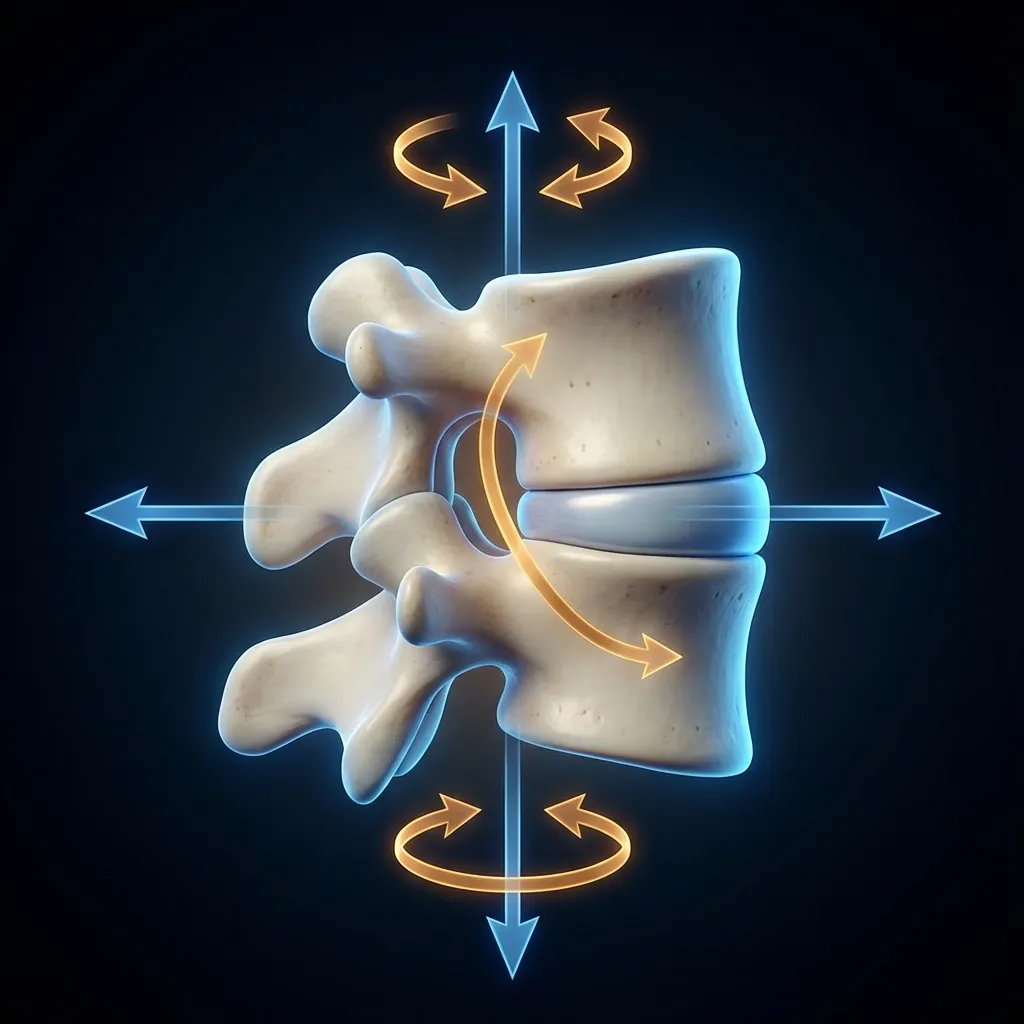
Movement Patterns
Motion Coupling Relationships
The remarkable characteristic of natural disc motion involves coupling relationships where motion in one plane automatically influences motion in other planes through sophisticated mechanical properties of disc tissue and anatomical constraints. This coupled motion pattern enables efficient movement whilst maintaining physiological stability.
Design Challenge: Artificial disc systems must replicate these coupling patterns to achieve natural-feeling motion and prevent abnormal stress patterns on facet joints.
The PRESTIGE SystemMedtronic
The PRESTIGE system represents the foundation of modern cervical disc replacement technology, evolving through successive generations from the original Frenchay design developed by Steven Gill at Frenchay Hospital in Bristol. The system exemplifies the iterative development approach that transforms promising concepts into proven clinical solutions.
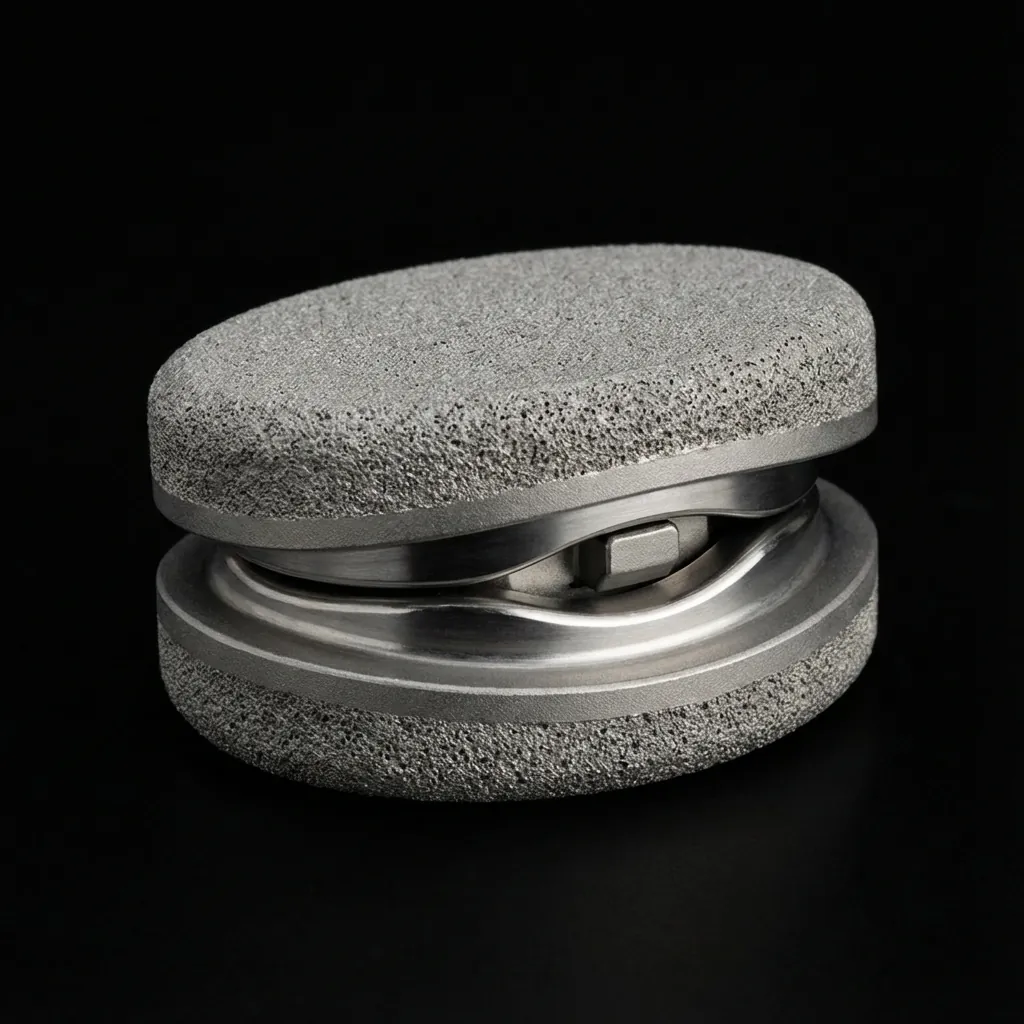
PRESTIGE LP Specifications
Titanium alloy (Ti-6Al-4V)
Anterior-engaging screws
Titanium plasma spray
Low profile design
Unconstrained Design Philosophy
The PRESTIGE employs an innovative unconstrained motion philosophy allowing the superior endplate to slide freely within the inferior endplate, enabling variable centre of rotation patterns that approximate natural disc kinematics.
FDA-Approved Clinical Evidence
The PRESTIGE system benefits from extensive clinical validation through large prospective randomised controlled trials. Long-term studies extending to 10 years confirmed maintained clinical benefit superior to ACDF.
Durability: The PRESTIGE system maintains exceptional durability with minimal implant-related complications. Metal-on-metal articulation provides proven wear resistance, and the unconstrained design optimises motion restoration with maintained segmental motion of 7-9 degrees at long-term follow-up.
The Bryan Cervical DiscMedtronic — Biomimetic Innovation
The Bryan disc represents a fundamentally different design philosophy emphasising biomimetic replication of natural disc properties rather than purely mechanical constraint approaches. The innovative system incorporates titanium endplates articulating with a polyurethane core bathed in saline.
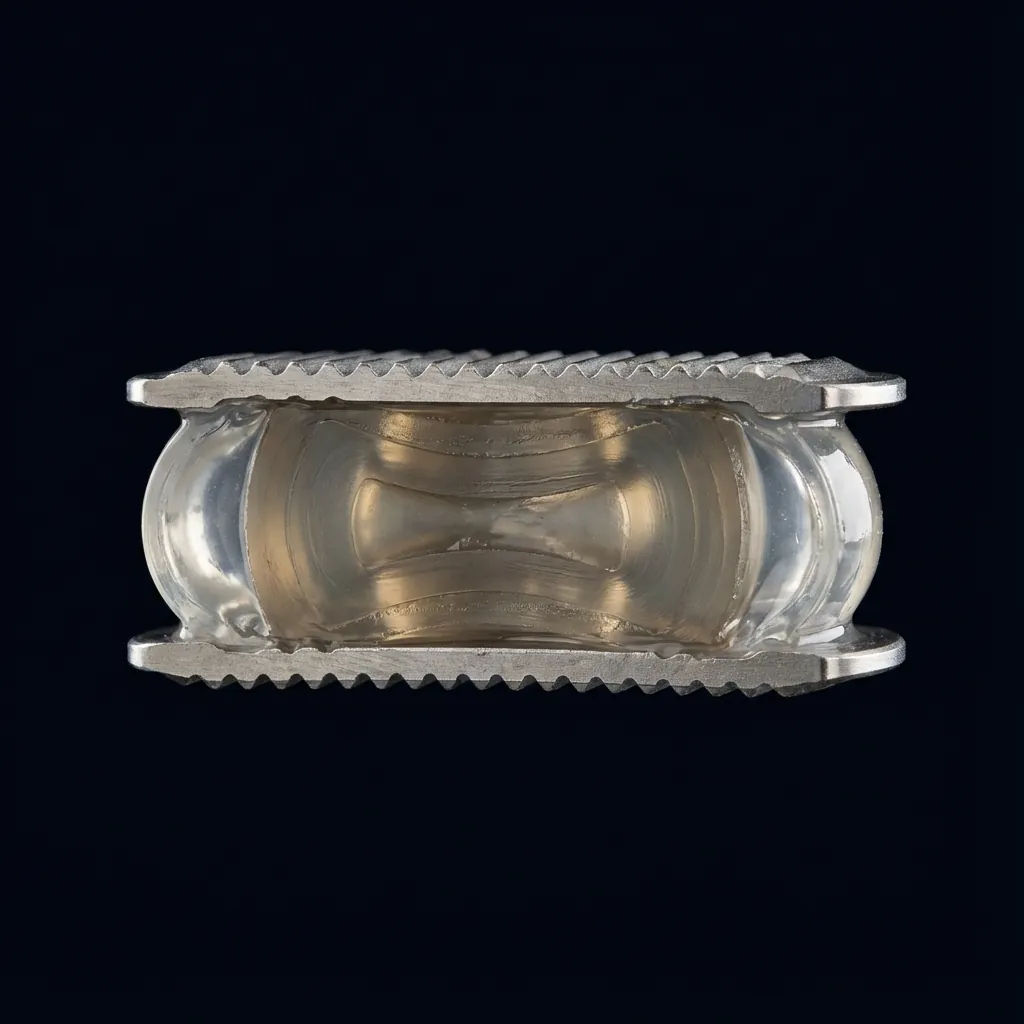
Innovative Design Features
Press-Fit Fixation
Unconstrained press-fit philosophy allows the device to be secured without screws, eliminating screw-related complications whilst relying on appropriate implant-bone contact.
Saline-Filled Sheath
The saline-filled sheath provides crucial wear particle containment, preventing debris from entering surrounding tissues—an innovative approach addressing articulating implant concerns.
Polyurethane Core
Central polyurethane nucleus provides viscoelastic properties enabling progressive load deformation with elastic return, replicating natural disc tissue behaviour.
Long-term clinical studies extending to 10 years demonstrated outstanding performance, validating the biomimetic design approach with superior outcomes compared to ACDF.
Patient Satisfaction: Greater than 90% of patients reported satisfaction at extended follow-up, with the vast majority reporting they would undergo the procedure again if necessary.
The ProDisc-C SystemCentinel Spine — Ball-and-Socket Design
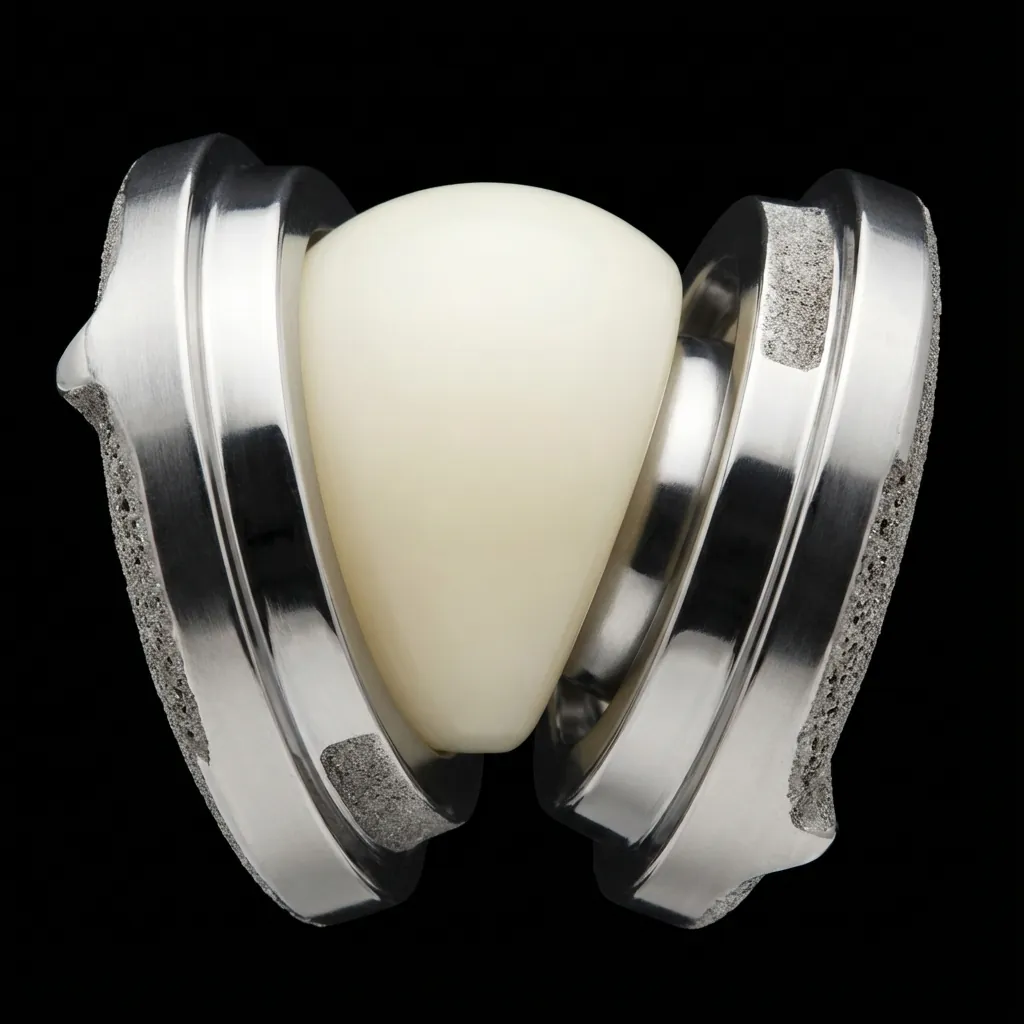
The ProDisc-C represents the alternative ball-and-socket design philosophy to unconstrained systems, providing mechanical constraint through spherical articulation between cobalt-chromium endplates and an ultra-high-molecular-weight polyethylene (UHMWPE) core. This design draws proven principles from decades of successful hip and knee arthroplasty experience.
Ball-and-Socket Philosophy
The ball-and-socket articulation provides semi-constrained motion with fixed centre of rotation, offering mechanical simplicity and proven durability. The constrained design provides inherent stability particularly valuable in patients with compromised posterior elements or existing facet joint degeneration.
Modern Variants
ProDisc-C demonstrated clinical equivalence to fusion in prospective randomised trials with long-term studies extending to 10 years confirming maintained clinical benefit.
Adjacent Segment Protection: Reoperation rates proved favourably low at 7% for ProDisc-C versus 18% for fusion at 7-year follow-up, demonstrating substantial adjacent segment protection despite the constrained mechanical design.
The Mobi-C SystemHighridge — Mobile Core Design
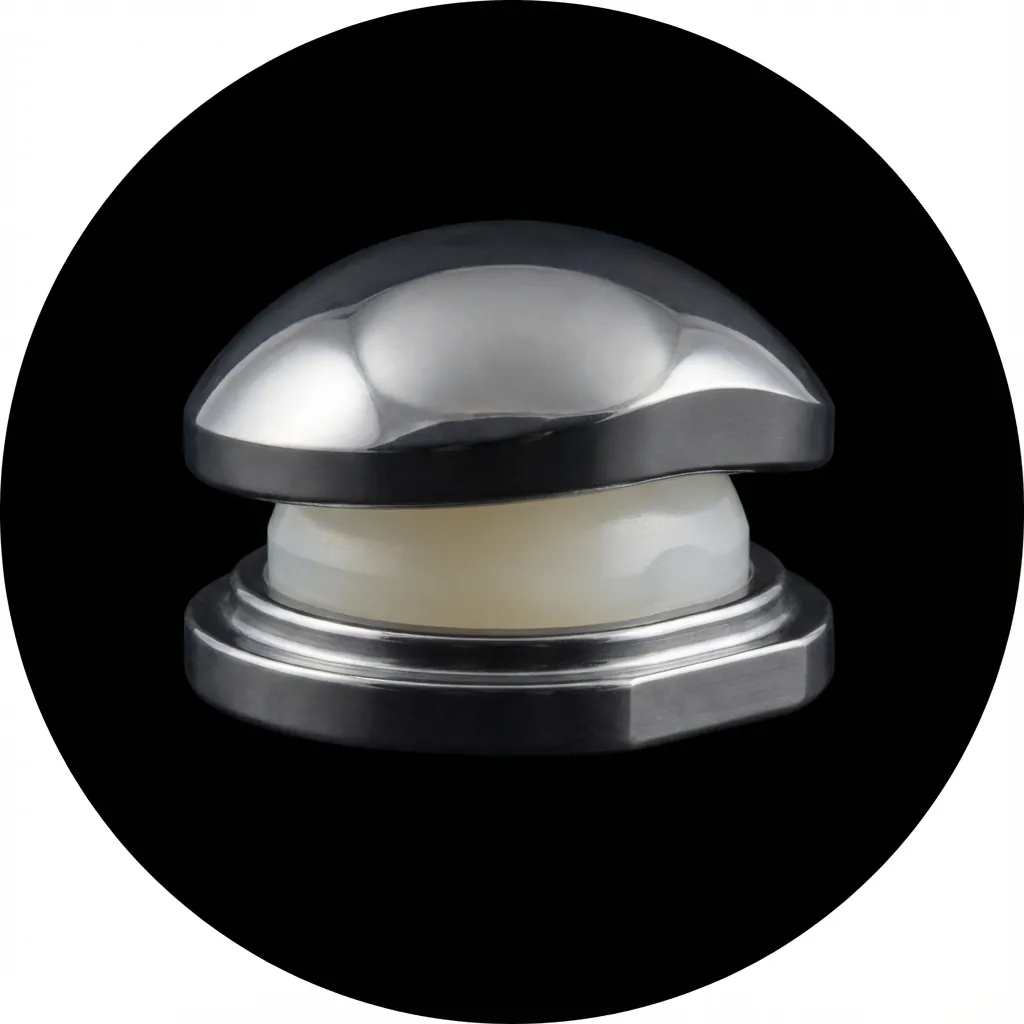
The Mobi-C represents an advanced semi-constrained design incorporating innovative geometric features providing controlled motion in all planes whilst maintaining inherent mechanical stability. The system exemplifies refinements attempting to optimise both motion restoration and constraint characteristics.
Design Innovation
Clinical Performance
The Mobi-C achieved FDA approval with robust clinical evidence demonstrating superior outcomes compared to fusion, particularly impressive in two-level disease.
Recent comparative studies of 835 patients across four IDE trials demonstrated that two-thirds of implanted levels with PRESTIGE LP and Mobi-C achieved physiological motion ranges (5-16 degrees) at 24-month follow-up.
Superior Range of Motion
The Mobi-C consistently demonstrated 10.9° average ROM—the greatest range of motion compared to other semi-constrained designs in comparative studies. This superior motion preservation correlates with enhanced adjacent segment protection and improved functional outcomes.
MOVE-CNext-Generation Biomimetic Technology
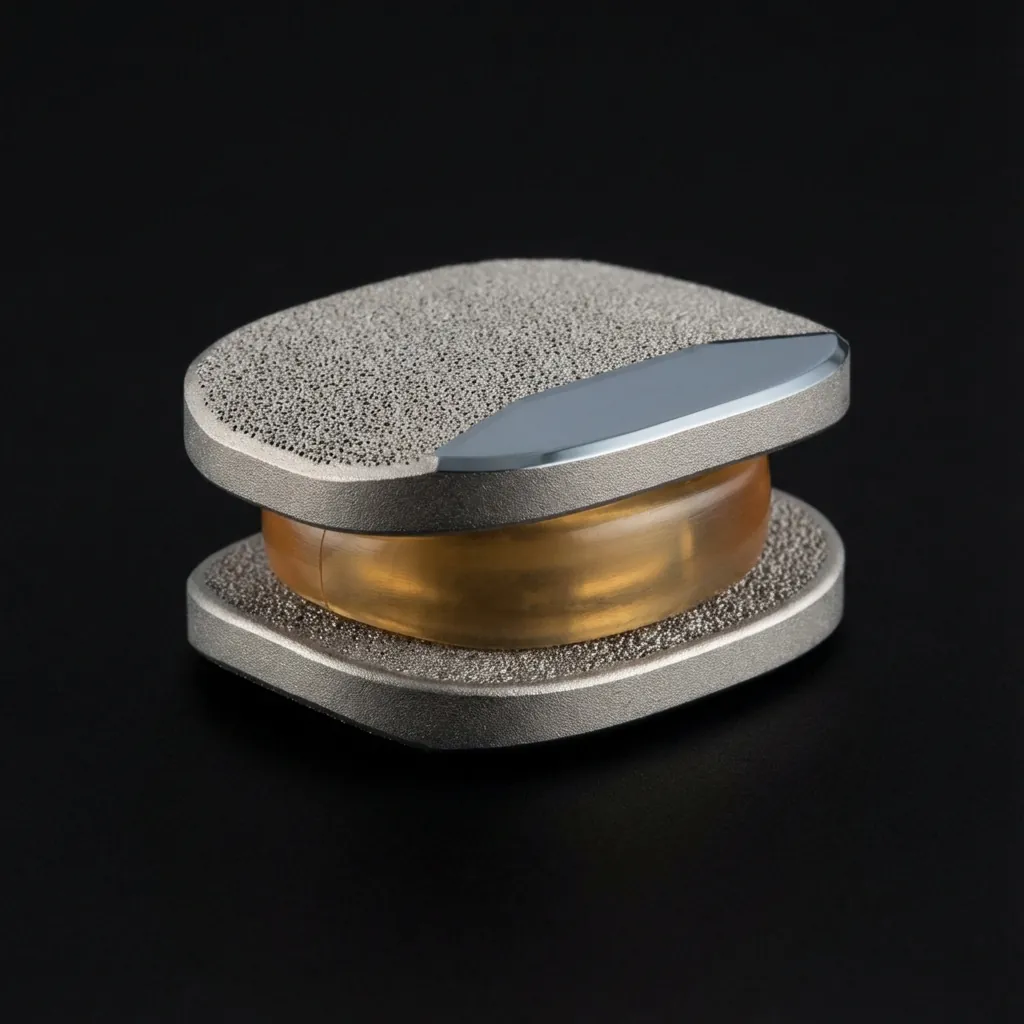
The MOVE-C represents cutting-edge cervical disc replacement technology combining innovative features from different design philosophies whilst addressing limitations of previous approaches. The system received TGA approval in March 2025, bringing advanced viscoelastic technology to Australian patients.
Regulatory Timeline
Design Innovation
Biomechanical Characteristics
The MOVE-C demonstrates exceptional biomechanical properties validated through comprehensive mechanical testing, with its PCU core providing qualitatively physiological behaviour.
Comparable to or superior to UHMWPE systems
Matches natural disc tissue responses
Physiological motion with axial shock absorption
Early clinical experience with MOVE-C demonstrates favourable outcomes with excellent motion preservation and patient satisfaction. First clinical results from 48-month follow-up showed preserved segmental motion and clinical improvement comparable to established systems.
Metal-on-PCU Advantage
The articulation avoids limitations of both metal-on-metal systems (higher wear particles) and metal-on-UHMWPE approaches (less physiological behaviour).
FDA IDE Trials
Recent trials have met thresholds for non-inferiority claims against Mobi-C control device for both 1-level and 2-level indications.
Baguera-CSpineArt — Semi-Constrained Viscoelastic Innovation
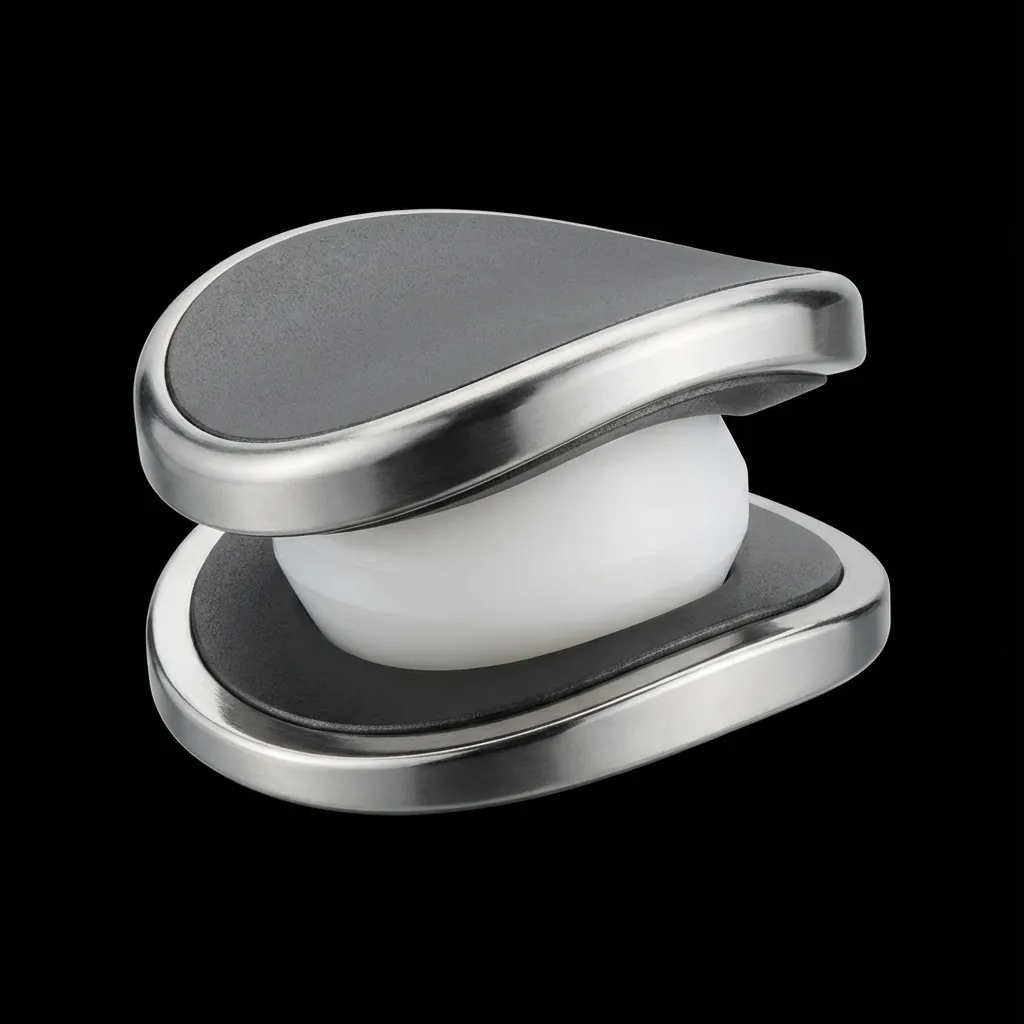
The Baguera-C represents a sophisticated semi-constrained design philosophy emphasising balanced motion preservation with shock-absorbing viscoelastic properties. Representing the reference device in the cervical arthroplasty segment globally, the Baguera-C combines advanced engineering with biomimetic principles.
Revolutionary Design Features
Biomechanical Advantages
Clinical Performance at 10 Years
The Baguera-C benefits from exceptional long-term clinical validation, demonstrating outstanding durability and patient outcomes across a decade of follow-up.
Neurological Preservation
98.8% motricity and 96.3% sensation maintained at 10-year follow-up
Zero Adjacent Reops
No reoperations for adjacent level disease at 10 years—exceptional protection
CP-ESPOne-Piece Viscoelastic Innovation
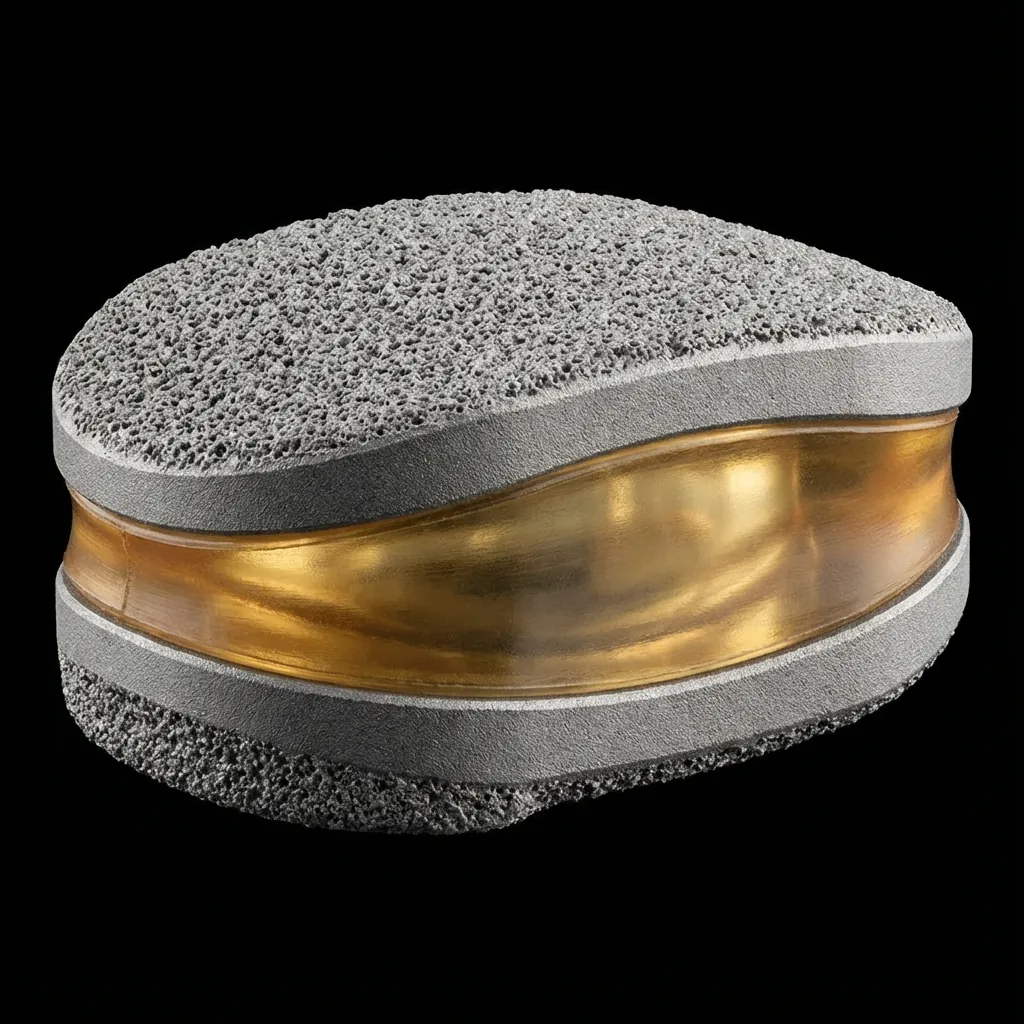
The CP-ESP (Cervical Prosthesis - Elastic Spine Pad) represents a revolutionary one-piece viscoelastic cervical disc replacement concept evolved from over 20 years of research. Based on the successful LP-ESP lumbar disc technology, the CP-ESP brings proven viscoelastic principles with a fundamentally different approach from traditional articulating systems. TGA Registration: 17 January 2024
Revolutionary Design Principles
PCU Elastomer Technology
15+ years of development with advanced elastomeric formulation, proven biocompatibility, wear-resistant properties, and no biodegradation.
2-Year Post-Market Clinical Study
39 patients, single and two-level procedures
Patient Satisfaction
83% “definitely” would choose same treatment, 11% “probably” would
Safety Profile
Zero device-related complications reported in any patient
Advanced Biomechanical DesignMaterials and Surface Technologies
Material selection for cervical disc replacement involves sophisticated consideration of mechanical properties, biological compatibility, wear resistance, and imaging characteristics. Modern devices employ advanced metallurgy and polymer science optimised for the unique demands of spinal motion preservation.
Clinical Applications
Titanium Alloys (Ti-6Al-4V)
Used in:
PRESTIGE LP, MOVE-C, Baguera-C, CP-ESP endplates
Surface Treatment Technologies
Titanium Plasma Spray
Creates porous surface enabling direct bone on-growth
PRESTIGE LPHydroxyapatite (HA) Coating
Bioactive ceramic accelerating osseointegration
Various devicesDiamond-Like Carbon (DLC)
Ultra-hard, low-friction surface with minimal MRI artefacts
Baguera-CTiNbN Coating
Titanium-niobium-nitride for enhanced wear resistance
MOVE-C superior surfaceAdditive Manufacturing
Porous structures mimicking trabecular bone architecture
MOVE-C endplatesClinical Outcomes EvidenceValidation Through Research
Contemporary cervical disc replacement benefits from extensive clinical validation through prospective randomised controlled trials, FDA IDE studies, and long-term registry data extending to 10+ years of follow-up.
Motion Preservation
Long-term studies consistently demonstrate maintained segmental motion
| Outcome Metric | Arthroplasty | ACDF Fusion | Advantage |
|---|---|---|---|
| Overall Success (24mo) | 79-81% | 63-68% | +11-18% |
| NDI Improvement | Superior | Baseline | Significant |
| Reoperation Rate (7yr) | 7-10% | 15-31% | 50% Lower |
| Motion Preserved | 6-10° | 0° | Full ROM |
Clinical Evidence Summary: Across multiple FDA IDE trials and long-term follow-up studies, cervical disc replacement consistently demonstrates superior or non-inferior outcomes compared to anterior cervical discectomy and fusion (ACDF), with the added benefit of motion preservation.
TGA-Approved Cervical Disc SystemsComprehensive Comparison
Seven cervical disc replacement systems are currently approved by the Therapeutic Goods Administration (TGA) for use in Australia, each offering distinct design philosophies, material technologies, and clinical performance characteristics.
Note: This comparison presents general device characteristics. Individual patient suitability depends on specific clinical circumstances, surgeon preference, and comprehensive preoperative assessment.
Implant Selection ConsiderationsPersonalised Device Selection
Optimal cervical disc replacement outcomes depend on matching device characteristics to individual patient requirements. Understanding design philosophy differences and patient-specific factors enables informed decision-making during surgical planning.
Design Philosophy Considerations
Patient-Specific Selection Factors
Comprehensive Assessment Required
This guidance outlines general selection principles. Individual implant selection requires comprehensive clinical assessment including detailed patient history, thorough physical examination, advanced imaging review, and discussion of individual patient goals and preferences. Your treating surgeon will recommend the most appropriate device based on your specific circumstances.
Evidence-Based Decision Making
Modern cervical disc replacement technology provides exceptional options for motion preservation, with seven TGA-approved devices offering proven clinical performance and sustained long-term outcomes.
Key Takeaways
TGA-Approved Options
Personalised Consultation
Understanding your individual circumstances is essential for optimal implant selection. A comprehensive consultation allows detailed assessment of your specific requirements, preferences, and treatment goals to determine the most appropriate approach.
Innovation Continues: Ongoing research and development continues advancing cervical disc replacement technology, with next-generation devices incorporating increasingly sophisticated biomimetic features and materials optimised for long-term performance.