
Cost Transparency Financial Planning
Financial clarity transforms patient anxiety into confidence. Understand what patients can expect to pay, how Australian healthcare funding structures operate, and how to make informed financial decisions about motion-preserving disc replacement surgery.
Procedure Range
Total Investment
$27K–$60K
Single-level cervical to lumbar arthroplasty, covering surgeon fees, hospital, implants, and allied health services across all funding pathways.
Funding Options
Australian System
3 Pathways
Public system (Medicare), private with health insurance, or private self-pay. Each pathway offers different cost structures and access timelines.
Lower Revision Rate
Long-Term Value
50–75%
Arthroplasty demonstrates significantly lower adjacent segment disease compared to fusion, translating to substantial long-term cost savings.
Understanding the InvestmentIn Your Spinal Health
Financial clarity transforms patient anxiety into confidence and empowers genuinely informed decision-making. What patients can expect to pay, how Australian healthcare funding structures operate, and how to make informed financial decisions about motion-preserving disc replacement surgery.

Detailed Cost Breakdown
Understanding every component of your investment in spinal health.
Your Right to Transparency
You have the right to accurate estimates, clear gap payment information, and protection from hidden costs. This guide empowers you with the knowledge to navigate healthcare finances with confidence.
Three Pathways toSpinal Surgery Care
Patients in Australia have three distinct pathways for accessing spinal arthroplasty, each with different cost structures and financial implications.
Public System (Medicare)
Pathway 1
Patients eligible for public healthcare can access spinal arthroplasty through Australian public hospitals without direct cost, funded through Medicare. However, public system access has significant practical limitations.
Typical Wait Time
6–18 months
Est. Out-of-Pocket
$2,000–$8,000
Surgeon Selection
Limited choice
Procedure Options
May be restricted
Financial Reality
Public system access is nominally "free" but may require substantial waiting periods and geographical limitations.
Estimated out-of-pocket if gaps exist:
$2,000–$8,000 AUD
- Waiting times: Typically 6–18 months for publicly funded elective spinal procedures (varies by state, facility demand, and urgency classification)
- Limited availability: Public system performs fewer spinal arthroplasty procedures; demand exceeds public funding allocation
- Surgeon selection: Limited choice; allocation based on public hospital appointment systems
- Facility limitations: Procedure availability depends on public hospital capacity and resource allocation
- Procedural restrictions: Some public hospitals may not perform all spinal arthroplasty variations; may default to traditional fusion
Medicare covers 100% of hospital costs and provides a rebate for professional fees (approximately 75% of the Medicare Benefits Schedule fee). Patients still incur:
- Gap payments if their surgeon charges above MBS schedule
- Out-of-pocket costs for anaesthetic services (unless anaesthetist is salaried hospital employee)
- Potential device-related costs not covered by public funding
- Private room upgrades (if elected)
Quick Pathway Comparison
| Factor | Public | Private Insured | Self-Pay |
|---|---|---|---|
| Wait Time | 6–18 months | 2–12 weeks | Minimal |
| Surgeon Choice | Limited | Full | Full |
| Out-of-Pocket | $2K–$8K | Varies | $30K–$55K+ |
| Best For | Non-urgent, budget priority | Balance of choice and cost | Maximum control priority |
DetailedCost Breakdown
Understanding where your money goes is essential. High-quality spinal healthcare involves a team of experts and advanced technology.
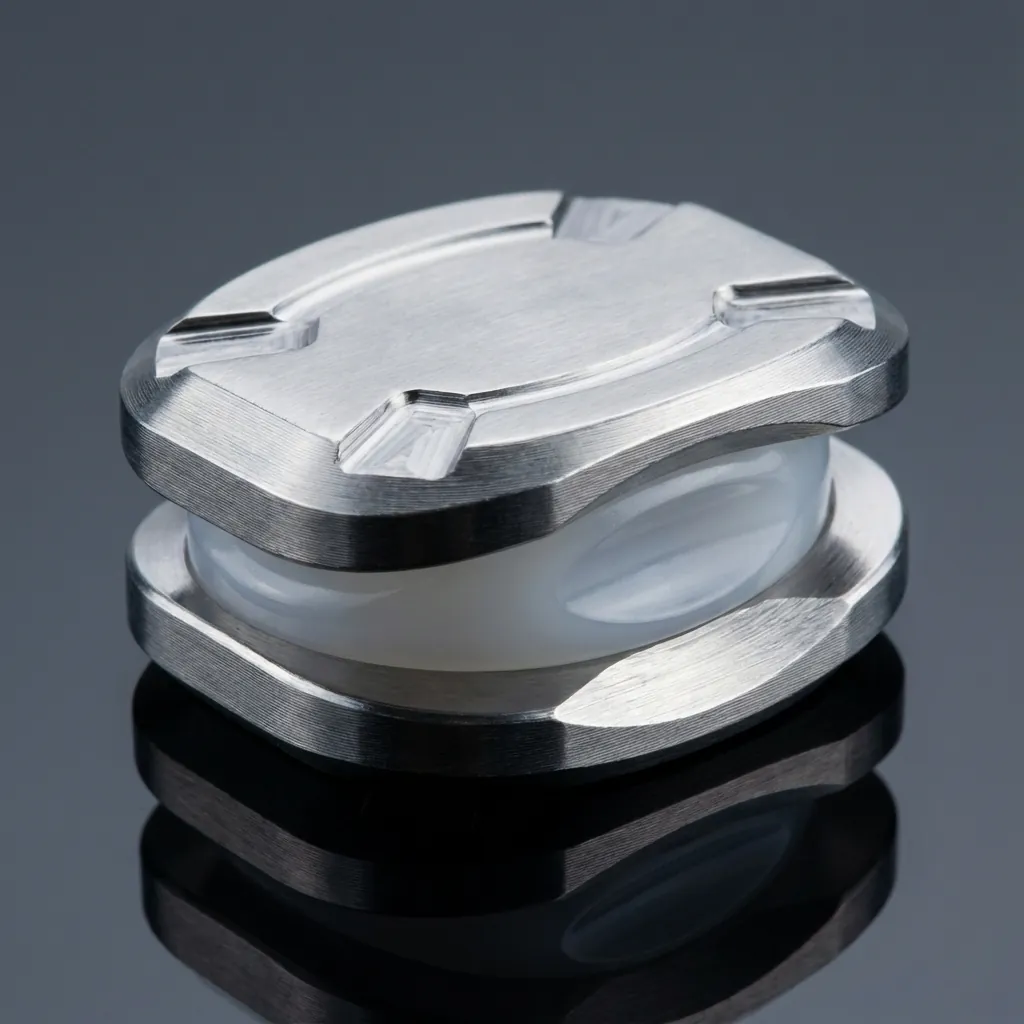
ADVANCED ENGINEERING
Implants represent a significant portion of the total procedural cost, driven by advanced materials and manufacturing.
Australian surgeons base fees on MBS item numbers, which establish reference prices for different procedures. Most experienced spine surgeons charge fees exceeding the MBS schedule, reflecting surgical expertise, time commitment, overhead costs, and professional credentials.
MBS Reference: Cervical arthroplasty (Item 51131) ~$4,500–$5,500; Lumbar arthroplasty (Item 51130) ~$5,000–$6,000
Key Factors:
Typical Gap Payment
$4,000 – $8,000
Gap = Surgeon's charge − (Medicare rebate + health fund contribution). Example: Surgeon charges $12,000, MBS fee $5,000, Medicare (75%) $3,750, Fund $2,500 = Patient gap $5,750
Important Note
Most experienced surgeons provide fee estimates before treatment. Transparency is both ethical and increasingly regulated.
Anaesthetic fees depend on operative time and complexity. Like surgeon fees, anaesthetists' actual charges typically exceed MBS schedule. Fees are often separate from surgeon and hospital costs.
Key Factors:
Typical Gap Payment
$500 – $1,500
Many health funds provide limited coverage for anaesthetic fees. Verify your policy and request estimates from your anaesthetist.
Important Note
Anaesthetist fees are often separate from surgeon and hospital costs. Request estimates from your anaesthetist directly.
Private hospitals charge facility fees covering operating theatre utilisation, nursing and support staff, equipment and technology, hospital accommodation (typically 1–2 nights), and recovery facilities.
Key Factors:
Typical Gap Payment
$1,500 – $3,000
Patient gap after private health insurance contribution for hospital facility fees.
Artificial disc implants represent the largest single cost item in spinal arthroplasty (30–40% of total surgical expenditure). These sophisticated medical devices are expensive due to advanced materials, precision manufacturing, regulatory approval requirements, and limited manufacturer competition.
Key Factors:
Typical Gap Payment
Usually full cost
This component is non-negotiable (cannot be substituted) and rarely covered by insurance as a gap-free benefit. Total device-related costs: Cervical single-level $9,500–$17,000; Lumbar single-level $13,500–$21,000.
Important Note
Implant costs account for 30–40% of total surgical expenditure in private spinal arthroplasty. Most health funds do NOT cover implant gaps.
Professional rehabilitation following spinal arthroplasty is critical for optimal outcomes. This includes pre-operative assessment, post-operative physiotherapy, and potentially psychology or pain management services.
Key Factors:
Typical Gap Payment
$200 – $1,000
Most health funds cover physiotherapy through ancillary (extras) coverage, typically $500–$2,000 per year. Out-of-pocket after insurance: $200–$1,000.
Additional consultations, assessments, and post-operative imaging that may be required for comprehensive care.
Key Factors:
Typical Gap Payment
Varies
Most ancillary services have minimal out-of-pocket if bulk-billed. Budget $200–$1,200 for the range of potential additional consultations and imaging.
Total Device-Related Costs Summary
Single-level cervical arthroplasty
$9,500–$17,000 AUD
Two-level cervical arthroplasty
$18,000–$32,000 AUD
Single-level lumbar arthroplasty
$13,500–$21,000 AUD
Two-level lumbar arthroplasty
$26,000–$40,000 AUD
Estimated Total Costsby Procedure Type
Detailed breakdowns for cervical and lumbar procedures across different funding pathways, using realistic Australian private practice examples.
Total Estimated Costs (Range)
Cervical single-level arthroplasty complete cost breakdown
| Cost Component | Low Estimate | High Estimate |
|---|---|---|
| Surgeon professional fee | $8,000 | $14,000 |
| Anaesthetist fee | $1,200 | $2,500 |
| Hospital facility fees | $6,000 | $9,000 |
| Spinal implant device | $10,000 | $14,000 |
| Surgical supplies/consumables | $1,000 | $2,000 |
| Allied health services | $1,500 | $2,500 |
| Ancillary services | $200 | $800 |
| TOTAL ESTIMATED COST | $27,900 | $44,800 |
Breakdown by Funding Source
Private Patient (with Health Insurance)
Assumes standard extras coverage, moderate-cost facility, experienced surgeon
| Cost Component | Total Cost | Out-of-Pocket |
|---|---|---|
| Surgeon Fee | $11,000 | $4,000 |
| Anaesthetist Fee | $1,800 | $500 |
| Hospital Facility | $7,500 | $2,500 |
| Implant | $12,000 | $12,000 |
| Consumables | $1,500 | $1,500 |
| Physiotherapy | $2,000 | $800 |
| TOTAL | $35,800 | $21,300 |
Public Patient
Publicly funded through Medicare; some gaps may apply
| Cost Component | Value Provided | Out-of-Pocket |
|---|---|---|
| Surgeon fee (public salaried) | $8,000–$10,000 | $0 |
| Anaesthetist fee (hospital employed) | $1,500–$2,000 | $0 |
| Hospital facility (public funding) | $6,500–$8,000 | $0 |
| Implant | $0–$3,000 (limited devices) | $9,000–$12,000 |
| Consumables | $0–$1,000 | $1,000–$2,000 |
| Physiotherapy | $2,000–$2,500 | $200–$500 |
| TOTAL | $18,500–$26,500 | $10,200–$14,500 |
Self-Pay Patient (No Insurance)
Full procedure cost with Medicare rebate only
| Cost Component | Typical Charge | Patient Pays |
|---|---|---|
| Surgeon fee | $11,000 | $7,500 |
| Anaesthetist fee | $1,800 | $1,000 |
| Hospital facility | $7,500 | $7,500 |
| Implant | $12,000 | $12,000 |
| Consumables | $1,500 | $1,500 |
| Physiotherapy | $2,000 | $2,000 |
| TOTAL COST | $35,800 | $31,500 |
Multi-Level Procedures: Additional Costs
For two-level cervical arthroplasty, add approximately $8,000–$14,000 AUD to single-level costs:
Second implant device
+$10,000–$14,000
Increased operative time (anaesthesia)
+$600–$1,200
Increased hospital facility
+$1,500–$2,000
Additional physiotherapy
+$800–$1,200
Subtotal: $12,900–$18,400 | Less economies of scale: −$3,000–$5,000
Net additional cost: $7,900–$13,400 AUD
* Estimates based on typical Australian private practice fees. Actual costs may vary based on surgeon, facility, procedure complexity, and individual insurance coverage.
Arthroplasty vs.Spinal Fusion
The initial surgical cost comparison often misleads patients. The true economic value is revealed when analysing long-term outcomes and the risk of revision surgery.

Long-Term Value
While arthroplasty has a higher initial cost, the significantly lower revision rate makes it the economically superior choice over 10–20 years.
Why Initial Cost Differences Fade
The apparent higher upfront cost of arthroplasty becomes economically justified when considering long-term outcomes and revision surgery risk. For 30% of fusion patients requiring revision, arthroplasty is significantly less expensive long-term.
Initial Surgical Cost Comparison — Cervical Single-Level
Arthroplasty costs approximately $7,000 more initially due to expensive artificial disc implant.
Adjacent Segment Disease Revision Rates
Spinal Fusion
Cervical:
25–30% require additional surgery within 10 years
Lumbar:
35–45% require additional surgery within 10 years
Cost of revision surgery:
$20,000–$35,000 AUD per surgery
Multiple revisions: $40,000–$70,000+
Arthroplasty
Cervical:
5–10% require additional surgery within 10 years
Lumbar:
8–15% require additional surgery within 10 years
Advantage:
50–75% lower revision rate
10-Year Total Cost Model (Cervical Example)
Fusion Pathway
Arthroplasty Pathway
Initial cost difference of $8,000 becomes only ~$3,000 additional over 10 years when revision risk is factored.
For the 30% of fusion patients requiring revision, arthroplasty is significantly less expensive long-term. 20-year analysis extends the advantage further, particularly for younger patients who will live through multiple revision cycles.
Navigating Health InsuranceAnd Financial Planning
Understanding your policy and using smart strategies can significantly reduce your out-of-pocket costs for spinal arthroplasty.
Critical Coverage Questions
Answer these before surgery
Three Strategies to Minimise Out-of-Pocket Costs
Supplementary insurance policies that cover the gap between what your health fund pays and what providers actually charge.
Can save $2,000–$5,000 on a spinal surgery
Not all experienced surgeons charge identical fees. Research and compare to find value without sacrificing quality.
Potential savings: $3,000–$6,000 AUD by choosing moderate-fee surgeon
Your right to transparent pricing under Australian consumer law, plus options for managing payment.
Depending on circumstances, $2,000–$5,000 AUD may be negotiable
Public System Financial Planning
If accessing through the public system
Costs depend on state and facility. Planning ahead can help manage any potential out-of-pocket expenses.
Typical Public Costs
NSW/VIC public hospitals
~$200–$500 AUD miscellaneous
Device costs (if not standard inventory)
$5,000–$12,000 AUD if full device cost required
Waiting times
6–18 months; plan accordingly
Cost Strategy for Public Patients
- Confirm with hospital what devices are available at no charge
- If preferred device requires out-of-pocket payment, factor this into budget
- Request itemised cost breakdown if any charges apply
PreventingUnexpected Costs
Hidden and surprise costs can derail your financial planning. Know what to watch for and how to protect yourself.
Scenario
Patient discovers the artificial disc their surgeon intended to use is not covered by their health fund.
How to prevent:
- Ask your surgeon specifically which implant will be used
- Ask your health fund if that specific device is covered (provide exact device name, manufacturer)
- Request written confirmation of implant cost responsibility
- Understand: If health fund won't cover a device, patient usually pays full cost ($10,000–$18,000 AUD)
- Ask surgeon what alternative devices are available if preferred device not covered
Scenario
Vascular surgeon involvement in lumbar anterior approach wasn't anticipated; vascular surgeon charges $5,000 gap.
How to prevent:
- Ask your surgeon: "Will any other surgeons be involved?"
- Request written estimate from all involved surgeons
- Check if other surgeons participate in gap cover schemes
- Plan budget for additional specialist involvement
Scenario
Patient develops minor infection or complications requiring extended hospitalisation. Hospital charges accumulate.
How to prevent:
- Understand typical hospital stay (1–2 nights for uncomplicated procedures)
- Ask your health fund: "What are daily hospital costs if stay extends beyond standard?"
- Request itemised billing immediately for any extended stay
- Review bills carefully; challenge any unclear charges
Scenario
Post-operative complication requires MRI imaging. Patient incurs $800 cost for imaging not anticipated.
How to prevent:
- Confirm with health fund what imaging is covered postoperatively
- Ask surgeon about frequency of post-operative imaging
- Budget for one additional imaging procedure as contingency
Scenario
Patient exhausts health fund's physiotherapy benefit during rehabilitation and pays out-of-pocket for additional sessions.
How to prevent:
- Check your health fund's annual physiotherapy benefit limit
- Plan physiotherapy sessions within limit
- Request physiotherapist to communicate when approaching limit
- Budget $500–$1,000 AUD for additional sessions if needed
Your Consumer Protections
Legal rights in Australia
In Australia, patients have legal protections against surprise billing:
Right to written estimate
Healthcare providers must provide written estimate of costs before providing elective treatment
No-surprises billing rules
Healthcare providers cannot charge more than disclosed estimate without obtaining patient consent
Detailed billing
Healthcare providers must provide itemised bills explaining what each charge represents
Dispute mechanisms
Lodge complaint with Medical Board of Australia, file complaint with health fund, report to ACCC, or seek reimbursement through legal claim
Your Responsibility
- Request written estimates before treatment
- Review all bills carefully; understand each line item
- Ask questions about any unclear charges
- Report overcharging to appropriate authorities
Beyond theInitial Price
Health economists measure value in "Quality-Adjusted Life Years" (QALYs)—how much money spent per year of high-quality life achieved. Research consistently shows that for active patients, motion preservation delivers superior economic value over time.

Lifetime Value
"Cost-effectiveness is not just about the price of surgery. It's about the price of a life lived fully."
Quality-Adjusted Life Year (QALY)
How health economists measure value
International threshold for cost-effectiveness: less than $50,000 AUD per QALY is considered cost-effective.
Interpretation: For every dollar spent on arthroplasty compared to fusion, patients gain more quality life years. Arthroplasty is not more expensive long-term when outcomes are considered.
Lifetime Cost Analysis
The complete picture (for patient age 50)
Cervical Fusion
Cervical Arthroplasty
30-year difference
Arthroplasty saves ~$15,800 AUD
(Savings increase to $15,000–$20,000 for younger patients at age 40)
Indirect Savings
Less quantifiable but important
Arthroplasty may provide financial benefits beyond direct surgical costs:
Maintained work capacity
Patients with preserved spinal motion maintain work capacity longer, improving lifetime earnings
Reduced medication burden
Better function may reduce chronic pain medication use, saving $1,000–$3,000 annually
Independence maintenance
Preserved function helps aging patients avoid care facility admission, saving $20,000–$40,000+ annually if facility care delayed
Quality of life
Pain-free, mobile patients have better psychological wellbeing and potentially lower mental health treatment costs
While not directly included in cost-effectiveness calculations, these indirect savings are substantial and favour motion-preserving approaches.
Investment Perspective
"Your investment in motion-preserving spinal arthroplasty is not merely an expense—it is an investment in your future function, independence, and quality of life. When that perspective is understood, cost becomes context rather than obstacle."
Personal Cost EstimationWorksheet
Use this framework to estimate YOUR individual costs. Work through each step to build a complete picture of your financial investment.
Step 1 of 9
Determine Funding Source
Select your healthcare pathway
💡 Your funding source determines your cost structure and waiting time
Cost Summary
| Component | Your Estimate |
|---|---|
| Surgeon fee | $______ |
| Anaesthetist | $______ |
| Hospital facility | $______ |
| Implant | $______ |
| Consumables | $______ |
| Allied health | $______ |
| Ancillary services | $______ |
| TOTAL ESTIMATED COST | $______ |
Making InformedFinancial Decisions
Cost should never be the only factor in surgical decision-making. However, understanding cost helps ensure informed decision-making where financial considerations are appropriately weighed against health benefits.
Recommended Decision-Making Process
The False Economy of Cost Cutting
Important principle: Choosing the cheapest surgeon is rarely a sound decision in spinal surgery.
- Surgeon experience significantly influences outcomes
- Inexperienced surgeons have higher complication rates and worse long-term outcomes
- Cheap outcome (revision surgery, persistent pain, need for additional surgery) proves most expensive
Better approach: Choose experienced, appropriately-priced surgeon; negotiate gaps where possible; prioritise outcome quality over cost minimisation.
Key Takeaways
- Single-level cervical arthroplasty: $27,000–$45,000 AUD total; $8,000–$25,000 out-of-pocket (private with insurance)
- Single-level lumbar arthroplasty: $38,000–$60,000 AUD total; $12,000–$30,000 out-of-pocket (private with insurance)
- Multiple payment options exist: public system, private with insurance, self-pay, payment plans
- Arthroplasty costs $7,000–$8,500 more initially
- But revision surgery risk 50–75% lower with arthroplasty
- Long-term cost (10–20+ years) typically equal or lower with arthroplasty
- For younger patients, arthroplasty becomes progressively more cost-effective
- Right to written estimates before treatment
- Right to itemised billing
- Right to dispute charges
- Multiple funding pathways available
- Always obtain written cost estimates
- Always ask about gap amounts
- Always review bills carefully
- Always question unexpected charges
You Are In Control
Your financial autonomy in healthcare decisions
You control:
You should:
Final Thoughts
Cost transparency is the foundation of informed healthcare decision-making.
Understanding what spinal arthroplasty costs—not just the initial price tag but the complete 10-year and 20-year financial picture—empowers patients to make genuinely informed decisions where financial considerations are appropriately integrated with clinical evidence and personal priorities.
The goal is not cheapest care but best value care—investment in excellent surgical outcome, preserved function, and long-term spinal health that delivers decades of benefit worth every dollar invested.
"Your investment in motion-preserving spinal arthroplasty is not merely an expense—it is an investment in your future function, independence, and quality of life. When that perspective is understood, cost becomes context rather than obstacle."