Frequently Asked Questions Disc Replacement
Evidence-based responses to the most common questions about cervical and lumbar disc replacement surgery. From candidacy assessment through long-term outcomes, we address genuine patient concerns with clarity and precision.
Questions Answered
Comprehensive Coverage
31
Every aspect of disc replacement addressed with evidence-based information to support informed decision-making.
Success Rate
Excellent Outcomes
85-95%
Patient satisfaction and substantial pain relief achieved in the majority of appropriately selected candidates.
Research Evidence
Long-Term Data
10+ Years
Clinical studies with extended follow-up demonstrate sustained implant function and superior outcomes versus fusion.
Before Your SurgeryUnderstanding Candidacy & Preparation
Comprehensive answers to the most common questions patients ask before considering cervical or lumbar disc replacement surgery.
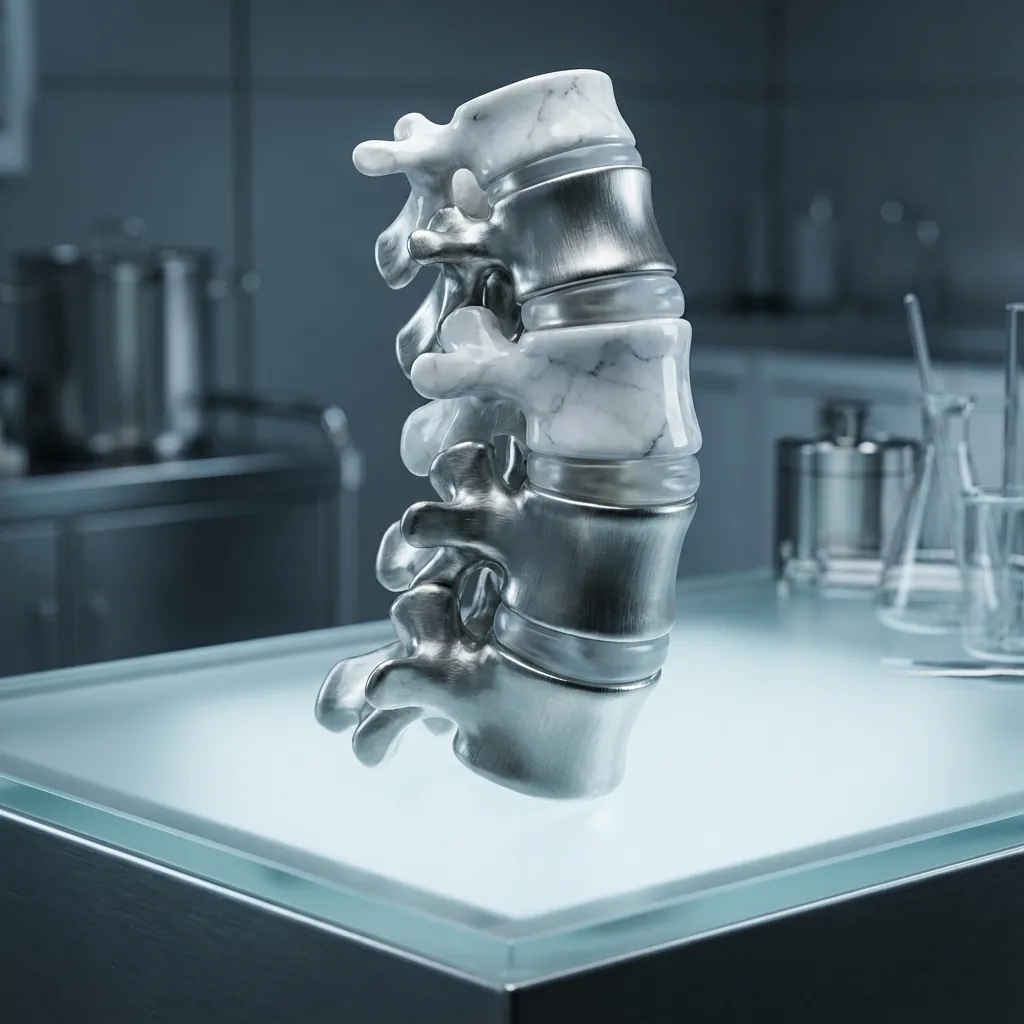
Patient suitability for disc replacement versus fusion depends on multiple factors determined through clinical assessment and imaging review.
Ideal Candidate Characteristics
- Disease: Single or two-level degenerative disc disease with clear imaging-symptom correlation
- Imaging: Adequate disc height (>3 mm), no severe endplate damage, preserved bone quality
- Patient factors: Good functional status and commitment to rehabilitation
- Facet joints: Relatively preserved (grade 3–4 arthritis may favour fusion)
Contraindications to Arthroplasty
- Prior fusion at the treated level
- Significant instability or spondylolisthesis
- Severe inflammatory arthropathy
- Active infection
- Severe osteoporosis or marked endplate degeneration
Recommendation: Detailed discussion with a surgeon experienced in both procedures provides personalised guidance. Many patients are appropriate candidates for either approach; shared decision-making should guide final selection based on individual circumstances and preferences.
Disc Replacement
Removes the degenerated disc and implants an artificial prosthesis that permits normal segmental motion.
Fusion
Removes the disc and fuses adjacent vertebrae using bone graft, eliminating motion at the treated level.
Why Motion Matters
Fusion eliminates motion at the treated level, increasing mechanical stress and intradiscal pressure at adjacent spinal segments. Over years to decades, this accelerates degenerative changes in adjacent discs.
Additional Benefits of Motion Preservation:
- Maintained range of motion permits normal neck/back movement
- Reduced force transmission to adjacent levels
- Potential for improved long-term quality of life
- More physiological spinal loading pattern
All surgical procedures carry risks. Disc replacement complications are rare but should be understood.
Perioperative Complications (<2%)
Vascular injury: <1% of cases; experienced surgeons recognise and repair vessels without long-term consequences.
Nerve injury: Transient irritation 15–30% (resolves in days/weeks); permanent injury <2%.
Infection: <1% with prophylactic antibiotics significantly reducing risk.
Dysphagia: 15–30% initially; typically resolves within 24–48 hours. Severe persistent <2%.
Intermediate Complications (1–12 months)
Heterotopic ossification: 30–70% incidence but 95%+ remain asymptomatic.
Subsidence: ~11.5% mild sinking, typically stabilises; severe requiring intervention <2%.
Implant migration: <2% with modern implants.
Mechanical failure: Extremely rare with contemporary implants.
Late Complications (>12 months)
Adjacent segment degeneration: Occurs in 26–30% (imaging changes) but symptomatic disease requiring reoperation only 6% for cervical and 2–9% for lumbar—substantially lower than fusion.
Recurrent/persistent symptoms: Some patients experience ongoing pain despite adequate decompression, which may reflect preoperative nerve damage, central sensitisation, or psychological factors.
Overall: Serious complications are uncommon; most patients experience minor symptoms resolving with conservative management.
Fear of surgery is common and understandable. Understanding the operative process reduces anxiety.
Preoperative Phase
Arrive, check-in, meet anaesthetic staff, IV established, final verification, transport to OR.
Induction of Anaesthesia
Oxygen via mask, medications cause loss of consciousness, breathing tube placed—you have no awareness.
Operative Phase
Single-level: 1.5–2.5 hrs; two-level: 2–3.5 hrs. Completely unconscious with continuous monitoring.
Emergence
Medications stopped, breathing tube removed whilst still unconscious, gradual awakening in recovery.
Recovery Room
Full awakening, pain management, vital signs monitoring. Most report "it went so fast."
Strategies to Reduce Preoperative Anxiety
- Detailed discussion with surgeon
- Written materials or procedure videos
- Support person during preoperative phase
- Ask anaesthetist about concerns
- Relaxation techniques (breathing, visualisation)
- CBT if anxiety is significant
Modern anaesthesia is extremely safe (≈1 in 200,000 serious complication). Many patients report the actual experience was far less anxiety-producing than anticipated.
Admission
Arrive 1–2 hours before scheduled surgery for check-in, vital signs, and preparation.
Discharge Criteria
Stable vital signs, adequate pain control on oral medications, independent or assisted ambulation, adequate swallowing function, no concerning complications.
Discharge Requirements
Responsible adult must be present for discharge and provide transportation. You cannot drive whilst taking opioid pain medications.
Return to Driving
Typically within 1–2 weeks when pain-controlled and not taking opioid medications.
Medical Optimisation (4 weeks before)
- Smoking cessation: Most important modifiable factor. Cessation 4+ weeks before significantly improves outcomes.
- Weight management: Gradual loss improves outcomes; avoid rapid weight loss (nutritional deficiency).
- Comorbidity optimisation: Diabetes, blood pressure, cardiac/pulmonary function should be optimised.
- Medication review: Anticoagulants, antiplatelets, NSAIDs may require adjustment.
Psychological Preparation (2–4 weeks before)
- Education: Thorough understanding of procedure, outcomes, and recovery timeline reduces anxiety.
- Anxiety management: Relaxation techniques, CBT if beneficial.
- Support system: Identify responsible support person for postoperative period.
Practical Preparation (1–2 weeks before)
• Arrange 3–6 weeks work leave
• Prepare home with accessible bedroom/bathroom
• Arrange transportation for appointments
• Obtain all prescribed medications
• Ensure surgeon has all records/imaging
• Complete required preoperative testing
Immediate Preoperative (1 week before)
- • Verify surgical date, time, and location
- • Confirm no intercurrent illness
- • Understand fasting instructions (typically nothing after midnight)
- • Follow specific instructions for morning-of medications
General Approach
Modern disc replacement surgery does not require external immobilisation with cervical collar or lumbar brace in most cases.
Cervical Procedures
Most surgeons do not recommend routine collar usage. A soft collar may be offered for comfort during weeks 1–2 if preferred, but usage is optional. Some patients find it psychologically reassuring; others prefer early unrestricted motion.
Lumbar Procedures
External bracing is not routinely required. A lumbar support brace may be offered optionally for comfort during heavy activity but is not medically necessary for most patients.
Comparison to Fusion
Fusion surgery typically requires 6–12 weeks of external immobilisation (collar or brace) to permit bone healing. Disc replacement eliminates this need because bone healing is not required—the implant provides immediate stability.
Early Mobilisation Advantage: The absence of required external immobilisation permits early neck and back motion, supporting faster recovery and reducing stiffness compared to fusion surgery.
Recovering From SurgeryPain Management & Return to Life
Detailed guidance on the recovery timeline, pain management expectations, and returning to work, driving, and physical activity.

Immediate Postoperative (First 24 hours)
- Incision pain: Localized anterior neck (cervical) or low abdomen (lumbar) discomfort, peaks days 2–3.
- Severity: Mild to moderate; controlled effectively with multimodal pain management.
- Important: Arm/leg pain typically improves dramatically immediately after surgery.
Recovery Timeline
Expected Outcomes
Medication expectations: Most patients discontinue narcotic pain medications by weeks 2–3. Ongoing opioid requirement beyond 4 weeks warrants evaluation.
Sedentary
Office, professional, administrative
Light-duty
Retail, customer service, teaching
Moderate
Skilled trades, nursing
Physically demanding
Manual labour, construction
2025 Research Evidence
Meta-analysis of 5,657 patients found cervical disc replacement patients returned to work significantly faster than fusion patients:
Fusion: 8–12%
Fusion: 30–40%
Fusion: 65–75%
Median earlier return with disc replacement: 9.91 days
Practical Approach
- Assess pain control—if well-controlled on non-opioid analgesics, driving is likely safe
- Test neck/back mobility—if able to check mirrors and turn adequately
- Consider short practice drives before longer journeys
- Avoid long sessions initially; take regular breaks
When Not to Drive
- • If taking opioid pain medications
- • If pain is not well-controlled
- • If unable to turn head/back adequately
- • If feeling sedated or drowsy
Cervical Procedures
- • Back sleeping most comfortable initially
- • Neck pillow or rolled towel for support
- • Side sleeping permissible from weeks 2–3
- • Avoid stomach sleeping initially (neck rotation)
- • Pillow height important—not too high or low
Lumbar Procedures
- • Back sleeping with pillow under knees
- • Side sleeping with pillow between knees
- • Avoid stomach sleeping (increases extension)
- • Firm mattress preferred
Sleep Quality Improvement
One of the most consistently reported benefits of successful surgery is improved sleep quality once preoperative pain resolves. Many patients report sleeping through the night for the first time in months to years.
Sleep Aid Strategies
- • Pain medication before bed for overnight coverage
- • Adequate pillow support
- • Relaxation techniques
- • Warm shower before bed
- • Consistent sleep schedule
- • Quiet, dark, cool bedroom
- • Limit screens before bed
- • Temporary sleep medication if approved
Normal Findings
- • Mild redness at incision borders
- • Slight swelling
- • Small amount of clear/slightly bloody drainage initially
Contact Surgeon If:
- • Spreading redness beyond incision
- • Increasing warmth
- • Yellow/green drainage
- • Severe swelling or incision opening
- • Fever or increasing pain
Scar Management
Initial incisions appear red and slightly raised; gradually fade over months to years. Sunscreen (SPF 30+) prevents darkening. Silicone-based treatments may be used once healed, though most scars fade significantly with time alone.
Evidence-Based Perspective
Recent high-quality research demonstrates that formal supervised physical therapy provides clear benefits for some patients but may not be universally necessary. A prospective randomised trial found no significant difference in patient-reported outcomes at 1-year follow-up between patients who received structured PT and those who didn't, though both groups improved significantly from baseline.
Patients Who Benefit Most
- • Limited home exercise compliance
- • Complex presentations with comorbidities
- • Significant preoperative weakness/deconditioning
- • Return-to-sport or demanding occupation goals
- • Persistent symptoms not resolving with home programme
- • Psychological anxiety about movement
May Not Require Formal PT
- • Good functional status and exercise compliance
- • Rapid symptom resolution
- • Motivated self-management
- • Sedentary occupation or activity level
- • Simple, uncomplicated presentation
Typical PT Progression
Australian Context
Medicare rebates may cover PT under Extended Primary Care Plan (approx. 5–10 allied health rebates annually). Private health insurance coverage varies. Private payment typically $60–$150 per session. Typical course: 1–2 visits/week for 4–8 weeks (8–16 sessions).
Sport-Specific Return Timeline
Long-Term OutcomesDurability & Future Expectations
Evidence-based information on implant longevity, adjacent segment disease risks, and long-term quality of life expectations.
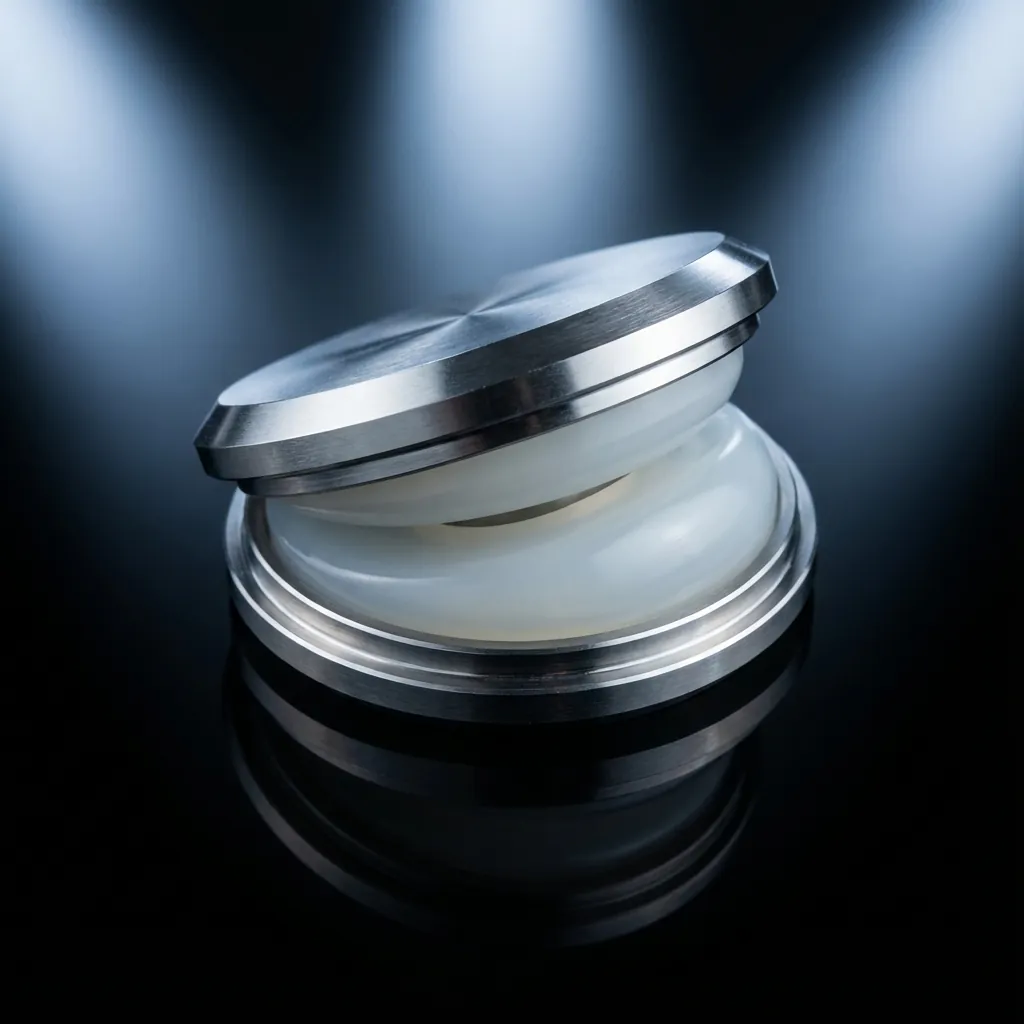
Excellent Long-Term Evidence
Clinical studies with 10–14 year follow-up demonstrate sustained functioning of artificial discs. Simulated wear studies suggest implants could last 40–100 years under normal conditions. For most patients, the implant will function throughout their lifetime.
Cervical Disc Replacement
Lumbar Disc Replacement
Material Durability
Modern implants use titanium alloys, polyetheretherketone (PEEK), ceramic, or composite materials specifically designed for decades of durability and resistance to wear. The vast majority of patients (>90%) never require implant revision during their lifetime.
What Is Adjacent Segment Disease?
Adjacent segment disease (ASD) refers to degenerative changes developing in the spinal segments immediately above and below the surgically treated level. These adjacent segments experience increased mechanical stress as the spine adapts to altered biomechanics at the treated level.
Why It Occurs with Fusion
Fusion eliminates motion at the treated level. The spine distributes movement across remaining segments, concentrating stress at adjacent levels. This accelerated loading causes accelerated degenerative changes—disc degeneration, facet joint arthritis, osteophyte formation.
Motion Preservation Advantage
Disc replacement maintains near-normal motion at the treated level, distributing mechanical stress physiologically across multiple segments. This reduces abnormal loading at adjacent levels.
ASD Rates—Dramatic Difference (by 10 years)
Cervical Spine
Lumbar Spine
Clinical Significance
For a 50-year-old patient with potentially 30–40 years remaining, the difference between 6% and 18% reoperation risk represents approximately 3–4 fewer reoperations per 20 patients over the patient's lifespan.
Cervical Disc Replacement
Lumbar Disc Replacement
Comparison to Fusion—Dramatic Advantage
Cervical Fusion:
- • Overall: 7.8%
- • Adjacent-level: 12–18%
- • Pseudarthrosis: 3–5%
Lumbar Fusion:
- • Overall: 5.4–26.1%
- • Adjacent-level: 7–24%
- • Pseudarthrosis/hardware failure: 2–5%
Why Reoperation Rates Are Lower
- Motion preservation: Reduces adjacent segment stress
- Implant stability: Modern implants provide excellent stability; index-level issues rare
- Fewer fusion complications: Pseudarthrosis, hardware failure don't occur with arthroplasty
The majority of patients (94–95%) never require reoperation. For every 20 patients, on average 1 may require future surgery—often years to decades later.
Long-Term Restrictions—Minimal for Most
Unlike fusion surgery (which may carry lifelong activity restrictions), disc replacement generally permits full long-term activity for the majority of patients.
Permitted Activities (No Restrictions)
- • Walking and running (all distances)
- • Swimming and water sports
- • Cycling, golf, low-impact sports
- • Gardening and yard work
- • All household chores and activities
- • All occupational duties
- • Moderate lifting with proper mechanics
- • Sexual activity (all positions once healed)
Activities Requiring Caution
- High-impact contact sports: May require modification depending on individual
- Extreme sports: Feasible after 4–6 months but carry inherent risks
- Heavy lifting: Proper body mechanics essential
Generally Avoided
- • Extreme spinal flexion/extension positions
- • Repetitive heavy loading with poor posture
- • Activities risking direct spinal trauma
Long-Term Spine Health Maintenance
Regular physical activity, core strengthening, proper posture, weight management, and smoking cessation all support long-term spinal health and reduce risk of future degenerative problems at multiple spinal levels.
Complications requiring intervention are uncommon but manageable with multiple treatment options available.
Symptomatic Adjacent Segment Disease
6% cervical CDR | 2–9% lumbar TDR
Management typically involves conservative treatment (PT, medication, injections) initially. Reoperation (fusion or extension disc replacement) is pursued only if conservative management fails. Modern fusion at adjacent levels is safe and effective.
Implant Migration or Subsidence
<2% requiring intervention
Detection via imaging prompts evaluation. Significant migration affecting function may require revision surgery. Modern implants and techniques minimise this risk.
Recurrent Symptoms at Treated Level
<2% of cases
May reflect inadequate initial decompression or new pathology. Evaluation guides management. Revision surgery is occasionally necessary but uncommon.
Long-Term Surveillance
Routine follow-up at 1 year, then periodically thereafter, permits early detection of developing problems. Should future problems develop decades postoperatively, advanced treatment options may be available. Second-generation implants, newer surgical techniques, and improved pain management continue advancing.
Reassurance: The vast majority of patients (90%+) never experience long-term complications requiring intervention. Even those who do typically achieve successful management with good long-term outcomes.
Everyday ConsiderationsMedications, Family, Work & Travel
Practical guidance for managing life's everyday demands during and after your recovery.
Medication Requirements Decrease Substantially
Relief from chronic preoperative pain is one of the most valuable benefits of successful surgery.
For 90–95% Who Experience Relief
Long-term pain medication needs are minimal or absent. Many patients report no chronic pain medication requirements—dramatic improvement from preoperative burden.
For 5–10% With Persistent Pain
Comprehensive pain management addressing multiple modalities (PT, medication, psychological support) optimises outcomes. Often at lower doses than preoperatively.
Lifestyle Normalisation
Freedom from chronic pain medications eliminates associated side effects (sedation, GI symptoms, dependency risk, cognitive impairment) and permits return to driving, work, and activities previously impaired.
Disc Replacement Does Not Preclude Pregnancy
The implants are biocompatible and do not leach harmful substances. They do not cause harm to pregnancy or the developing fetus.
Pregnancy Considerations
- Timing: Ideally delay until full healing (3–6 months), though earlier pregnancy isn't an emergency
- Spine changes: Increased lumbar lordosis and centre of gravity shifts are manageable with prior disc replacement
- Pain during pregnancy: Typically manageable with conservative measures; most maintain surgical pain relief
Labour & Beyond
- Delivery: Standard labour and delivery appropriate; no specific obstetric modifications required
- Anaesthesia: Neuraxial options (spinal/epidural) available if needed
- Breastfeeding: Fully compatible; implants pose no issues
- Postpartum: Standard recovery timelines apply
Recommendation: Discuss pregnancy plans with your surgeon and obstetrician. Most patients with successful disc replacement have uncomplicated pregnancies and deliveries.
Flying Comfort Tips
- Aisle seat for easier movement
- Neck pillow (cervical) or lumbar support
- Move every 1–2 hours; walk in cabin
- Avoid prolonged immobility (DVT risk)
- Stay well-hydrated
- Compression stockings reduce DVT risk
Car Travel
- • Possible 1–2 weeks post-op with breaks every 1–2 hours
- • Longer road trips best deferred until 4+ weeks
Medical Insurance
- • Check travel insurance for pre-existing condition coverage
- • Surgeon clearance (typically at 4–6 week follow-up)
- • Carry medications in carry-on luggage
Ergonomic Optimisation is Critical
Proper ergonomic setup reduces spinal stress, supports recovery, and prevents re-injury. Discuss modifications with employer and occupational health services.
Cervical-Specific
- Monitor: Arm's length, top at or slightly below eye level
- Desk: Elbows at 90°, wrists neutral
- Chair: Lumbar support, adjustable height, armrests
- Position changes: Every 30–45 minutes
- Phone: Use headset, not cradled between ear and shoulder
Lumbar-Specific
- Lumbar support: Maintains lordosis, reduces disc stress
- Desk: Feet flat, knees at 90°, elbows at 90°
- Chair: Lumbar support, adjustable; avoid soft/sagging chairs
- Position variation: Standing, sitting, walking throughout day
- Heavy lifting: Bend knees, load close, avoid twisting
Equipment Requests
- Standing/sit-stand desk
- Adjustable ergonomic chair
- Lumbar support cushion
- Monitor arm for proper positioning
Implement modifications before return-to-work. Home office should incorporate the same ergonomic principles.
Proper Lifting Technique—Critical
- Bend knees, keep back straight
- Keep load close to body
- Avoid twisting whilst holding weight
- Avoid overhead lifting until cleared
- Ask for help with heavy objects
- Use mechanical aids when available
Risk Factors for Complications
- Poor technique: Hyperextension, twisting, loaded spinal positions
- Premature return: Heavy lifting before adequate healing (<8 weeks)
- Sudden activity increase: Graduated progression is safer
Manual labour/construction: Return typically 8–12 weeks (modified light-duty initially), full duties by 12–16 weeks. Structured graduated return with proper technique is safe and effective.
Disclosure & Privacy
- • Employees have right to privacy; specific details not required
- • "Spine surgery" is typically sufficient disclosure
- • Medical certification documenting unfitness and return date required
Work Leave Duration
- Initial leave: 3–6 weeks typical
- Partial return: Reduced hours/modified duties 2–4 additional weeks
- Total absence from full duty: ~4–8 weeks for most occupations
Communication Guidelines
With Employer
- • Discuss after surgical date is confirmed
- • Provide medical leave certification
- • Communicate modified duty needs
- • Discuss work-from-home if applicable
With Colleagues
- • "Having spine surgery; back in [timeframe]" is sufficient
- • Avoid excessive medical detail
- • Maintain contact via email if preferred
Return-to-Work Process
- Obtain written surgeon clearance before returning
- Discuss temporary duty modifications needed
- Schedule check-in with employer to discuss progress
- Utilise occupational health services if available
Clinical ConsiderationsSafety, Success & Ongoing Care
Important medical information about medications, outcomes, follow-up care, and what happens if adjustments are needed.

Preoperative (1–2 weeks before)
- Anticoagulants: Warfarin, DOACs may require discontinuation or bridging
- Antiplatelets: Aspirin typically stopped 5–7 days preop; clopidogrel similar
- NSAIDs: Discontinue 1–2 weeks preop (bleeding risk); use paracetamol
- Herbals: Many increase bleeding (ginkgo, ginseng, St. John's Wort)
- Smoking: Cessation strongly recommended
- Alcohol: Moderate reduction recommended
Postoperative Management
- Pain medications: Opioids tapered by 2–3 weeks; NSAIDs useful for 2–4 weeks
- Antibiotics: Prophylactic at surgery; additional not routine unless infection suspected
- Anticoagulation: Typically resumed shortly postop (DVT risk highest early)
- Antiplatelets: Timing discussed with prescribing provider
Important
- • Discuss ALL medications (prescription, OTC, herbal, supplements) with surgeon
- • Long-term medications (BP, diabetes) should continue unless specifically instructed otherwise
- • Never stop prescribed medications without medical guidance
Defining Unsuccessful Surgery
- Inadequate pain relief: Less than expected by 3 months (affects ~10%)
- Persistent neurological symptoms: Expected improvements not occurring
Reoperation Options
- Revision at treated level: If inadequate decompression (<2%)
- Conversion to fusion: If disc replacement itself problematic
- Adjacent level surgery: If ASD develops with symptoms
Conservative Management Optimisation
- Comprehensive pain management: Medication, PT, psychological support
- Enhanced physical therapy: Addressing weak areas and limitations
- Psychological support: If anxiety/depression affecting outcome perception
- Injection therapies: Epidural steroids, facet injections for selected patients
Important Perspective
Most patients (85–90%) are highly satisfied even with partial pain relief if functional improvement is substantial and they've returned to valued activities. Complete pain elimination is not the only measure of success—return to work, activity, and improved quality of life are equally important.
No Negative Impact on Health or Lifespan
Disc replacement does not shorten life expectancy. The procedure and implants do not introduce systemic health risks. Patients have normal life expectancy for their age cohort.
Overall Health Improvements Reported
Clinical Examination
- • Vital signs and wound inspection (early)
- • Neurological exam (strength, sensation, reflexes)
- • Range of motion testing
- • Pain and functional assessment (VAS, NDI/ODI)
Imaging Review
- • Standard AP and lateral radiographs
- • Flexion-extension views (motion assessment)
- • CT/MRI if complications suspected
Cervical Disc Replacement
Lumbar Disc Replacement
Complication Rates (Comprehensive)
Perioperative (<2%)
- • Vascular injury: <1%
- • Nerve injury (permanent): <2%
- • Infection: <1%
Intermediate
- • HO (symptomatic): <5%
- • Subsidence (symptomatic): <2%
- • Migration requiring surgery: <1%
Reoperation
- • 5-year: 5–6% CDR; 3–5% TDR
- • 10-year: 6–8% CDR; 3–5% TDR
- • Implant at 10+ years: >85%
Comparison to Fusion
Disc replacement advantage: 50–67% lower adjacent level reoperation risk
Further InformationResources & Key Takeaways
Access additional educational materials and explore the key insights from our comprehensive FAQ guide.

Where Can I Find More Information About Disc Replacement?
Reliable information comes from reputable medical sources, peer-reviewed research, and your healthcare team. We recommend the following approaches:
Evidence-Based Sources
- Peer-reviewed medical literature (PubMed, Spine journals)
- Professional society guidelines (NASS, AOSpine, SSE)
- Hospital and health system educational materials
Personal Guidance
- Direct discussion with your treating surgeon
- Second opinion consultation if desired
- Patient support groups and testimonials
Caution: Exercise critical judgement with online information. Verify claims, check sources, and prioritise evidence-based guidance over anecdotal testimonials.
Key Takeaways
Disc replacement is a well-established, evidence-based surgical option for appropriately selected patients with degenerative disc disease.
Compared to fusion, disc replacement offers motion preservation, reduced adjacent segment disease risk, and comparable or superior clinical outcomes.
Comprehensive preoperative evaluation ensures proper patient selection—the key to successful outcomes.
Recovery is typically measured in weeks, with most patients returning to normal activities within 6–12 weeks.
Long-term outcomes are excellent, with 85–95% patient satisfaction and implant durability measured in decades.
Ongoing research continues refining patient selection, surgical techniques, and implant designs.
Surgical Information
Patient Resources
Making an Informed Decision
This comprehensive guide is designed to support your decision-making process by providing accurate, evidence-based information. Understanding your surgical options, recovery expectations, and long-term outcomes empowers you to collaborate effectively with your healthcare team.
If you have additional questions not addressed here, we encourage you to discuss them during your consultation.