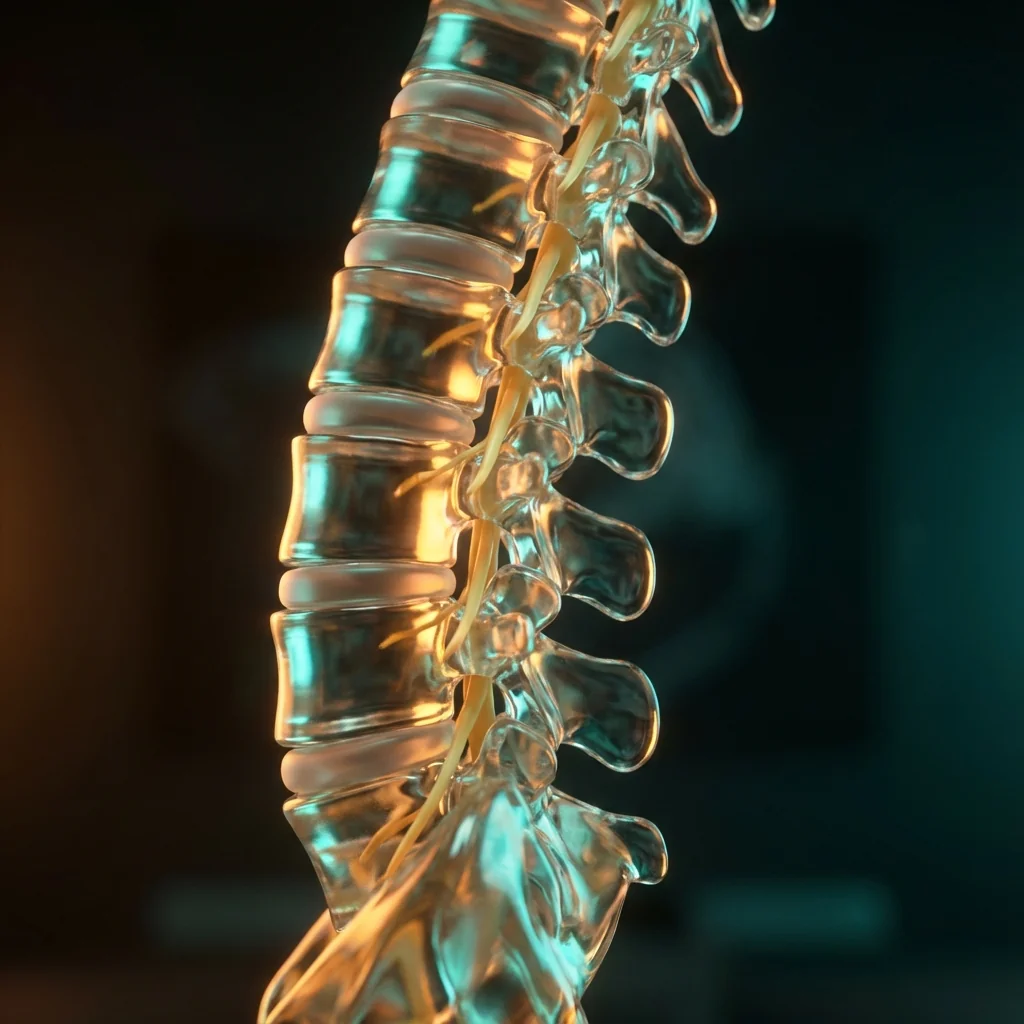
Patient Information Shared Decision-Making
Whether you are experiencing back or neck pain, have recently received a diagnosis of spinal degeneration, are considering treatment options, or are preparing for a surgical consultation, this section provides evidence-based information, realistic outcome expectations, and decision-support resources tailored to your needs.
Knowledge Improvement
Decision Aid Effectiveness
50-80%
Patients using decision aids demonstrate significant improvement in medical knowledge about their condition and understanding of treatment risks.
Satisfaction Rate
Decision-Making Process
90%+
Patients completing shared decision-making processes report exceptionally high satisfaction and significantly lower regret about treatment choices.
Information Standards
Australian Context
Evidence-Based
All information is evidence-based, regularly updated, balanced, specific, and presented with honest acknowledgement of both benefits and limitations.
The Informed Patient AdvantageWhy This Matters
Research consistently demonstrates that patients who actively engage in decision-making about their healthcare experience better outcomes, higher satisfaction, and fewer regrets about treatment choices made.

Shared Decision-Making (SDM)
A collaborative process where patients and healthcare providers work together to reach treatment decisions, with explicit attention to:
The Evidence for Shared Decision-Making
Key Insight
Studies comparing outcomes between patients who participated in shared decision-making versus those who received standard care show consistently improved results across all measured domains.
“Informed patients make better decisions, experience greater satisfaction, and achieve superior long-term outcomes regardless of which treatment path they choose.”
Problem 1: One-sided advocacy
Many surgical websites emphasise benefits of operative treatment while downplaying limitations, conservative options, or realistic recovery challenges.
Problem 2: Oversimplification
Reducing complex spinal conditions to brief summaries leaves patients unprepared for the sophistication of actual decision-making required.
This Website's Approach
- Comprehensive, evidence-based information on all treatment options with realistic benefits and limitations
- Honest discussion of complications (rates, management, prevention)
- Real outcome data from published studies, not best-case scenarios
- Multiple perspectives acknowledging that different patients benefit from different treatments
- Decision-support frameworks to help you clarify your own values and preferences
- Preparation for consultations so you can engage meaningfully with your healthcare provider
What This Is NOT
This is not a collection of marketing materials designed to persuade you toward surgery. Rather, it is a genuine educational resource exploring all available options—conservative care, interventional procedures, and surgical solutions—with honest discussion of benefits, limitations, and realistic outcomes for each approach.
How to Use This SectionNavigating by Your Situation
The patient information resources are organised to meet you where you are in your healthcare journey. Select your current situation below to see personalised reading recommendations.

Start Here
Understanding Spinal Anatomy
Learn how your spine is structured and what normal spinal motion and loading patterns look like
Common Spinal Conditions
Overview of frequent causes of back and neck pain
When to Seek Medical Evaluation
Guidance on recognising symptoms requiring professional assessment
Then Explore
Diagnostic sections
Review content relevant to your symptoms (e.g., if experiencing arm pain, review cervical radiculopathy information)
Conservative care options
Options that may relieve symptoms without medical intervention
Reading Recommendations Based on Time Available
- This Patient Information introduction
- Your condition-specific homepage (e.g., Cervical Assessment, Lumbar Assessment)
- One case study matching your situation
- Cost Transparency page (if considering surgery)
- Patient Information introduction
- Spinal Anatomy and disease process pages
- Your condition-specific assessment page
- Your condition-specific treatment options
- Case studies (2–3 cases matching your situation)
- Cost page
- Realistic Expectations section
- Complete all items above
- Biomechanics page (for scientific understanding)
- Advanced Solutions page (if applicable to your condition)
- Detailed complication discussions
- Long-term outcome data
- Multiple case studies to see different decision-making perspectives
The Shared Decision-Making ProcessPartnership in Your Care
Shared decision-making is a structured conversation between you and your healthcare provider that shares accurate information, explores your values, integrates medical evidence with your personal priorities, and supports you in making a decision aligned with both.

Importantly, SDM is not:
SDM is both provider and patient taking responsibility for a thoughtful, evidence-informed, preference-aligned decision.
The Shared Decision-Making Steps
Your provider should ensure you understand:
- Your diagnosis and what it means
- Relevant anatomy and pathology
- Why your symptoms are occurring
- What imaging revealed and how it correlates with your symptoms
- Expected natural history (what would likely happen without treatment)
- Progression risk (likelihood your condition worsens over time)
You should be able to:
- Explain your condition in basic terms
- Describe what the imaging showed
- Understand why you are experiencing specific symptoms
- Ask clarifying questions until you feel genuinely informed
Questions to Reflect On
Step 3 invites you to clarify your values and preferences. Consider these questions:
Preparing for Your ConsultationInformation Gathering
Bringing a written list of questions ensures you cover important topics and provides reference material during the appointment. Preparation makes the difference between a good consultation and a great one.

Gather Medical Records
- Prior imaging (MRI, CT, X-rays) on disc or portable drive
- Prior surgical reports if you've had spine procedures
- Prior imaging reports from radiologists
- Medication list
- Prior consultant notes from other specialists
Document Your Symptoms
- When did pain/symptoms start?
- What makes pain better or worse?
- How has it progressed over time?
- How does it affect daily activities?
- What have you tried for treatment and how effective was each?
- Current pain level (0–10 scale)
- Current functional limitations
Research Your Condition
- Use the relevant pages on this website to understand your diagnosis
- Write down any questions that arise from your reading
- Identify which sections were most confusing and note those for discussion
Question Preparation Guide
Expand each category below to see suggested questions to ask your healthcare provider.
Building a Support System
For significant health decisions, having support is valuable. Consider involving:
Someone who knows you well and can help evaluate options against your values
If they'll be supporting your recovery, their input is valuable
May provide external perspective on specialist recommendations
Sometimes outside perspective helps clarify thinking
Your Decision, Your Voice
However, ultimately this is YOUR decision based on YOUR values and circumstances. Don't let others pressure you toward or away from treatment.
Use supporters to clarify thinking, not to decide for you.
Conservative vs. Surgical Decision-MakingFinding the Right Path
Understanding when each treatment approach is most appropriate helps you engage meaningfully in treatment discussions with your healthcare provider.

When Conservative Care Is Appropriate
Non-operative management suits these situations:
With stable or slowly progressive symptoms
Mild weakness is okay; progressive weakness is concerning
Without functional limitation
That haven't prevented work or major activities
For non-operative approach despite surgical appropriateness
6–12 weeks of structured therapy not yet completed
From health comorbidities making elective surgery unwise
When Surgery Should Be Considered
Surgery becomes reasonable when:
6–12 weeks of appropriate physiotherapy and medical management without meaningful improvement
Worsening weakness despite conservative care (this is a relative urgency)
Pain or neurological symptoms preventing work, essential activities, or significantly impacting quality of life
Even without above criteria, patient may choose surgery after understanding options and risks
Red Flags Requiring Urgent Evaluation
Seek urgent medical attention if you experience:
These don't necessarily mandate surgery, but require urgent specialist evaluation.
Understanding and Managing ExpectationsThe Realistic Outcome Conversation
One consistent finding in spinal surgery outcome research: patients' preoperative expectations strongly predict satisfaction with results. Patients with realistic expectations report high satisfaction even with modest improvements.

Critical Insight
Patients with realistic expectations report high satisfaction even with modest improvements. Patients with unrealistic expectations report dissatisfaction despite good objective outcomes. This is why honest conversation about expected outcomes is crucial.
Realistic Improvements
If you pursue physiotherapy and conservative management:
- 60–70% of patients with acute disc herniations improve significantly
- Pain typically reduces 50–75%
- Function usually improves 50–70%
- Improvement usually evident within 6–12 weeks; continued improvement over months
- Benefits usually sustained if you maintain activity and exercise patterns
NOT Realistic Expectations
- Complete pain elimination (mild discomfort often persists)
- Return to all prior activities (some restrictions may remain)
- Rapid improvement (this takes weeks, not days)
- Permanent solution without ongoing effort (exercise maintenance often needed)
The Recovery Timeline Reality
Common misconception:
“Once surgery is done, I'll be back to normal in a few weeks.”
| Timeline | Cervical Surgery | Lumbar Surgery |
|---|---|---|
| Weeks 0–2 | Highest pain; incision pain dominant; minimal neck mobility | Highest pain; large incision pain; bed rest except essential movement |
| Weeks 2–4 | Incision pain resolving; arm pain improving; light activity return | Incision pain resolving; leg pain improving significantly; short walking tolerated |
| Weeks 4–8 | Light desk work possible; arm pain mostly resolved; physiotherapy progressing | Light activity resuming; walking tolerance improving; return to sedentary work possible |
| Weeks 8–12 | Near-normal function; return to most work; continued neurological improvement | Return to most work; improved walking tolerance; beginning strengthening exercises |
| 3–6 months | Maximal functional recovery; continued sensory improvement | Maximal functional recovery; return to exercise; feeling "normal" |
| 6–12 months | Stabilisation; sensation improvement continuing; no restrictions | Full recovery; return to all prior activities; long-term stability |
Key point: Recovery is a process taking months, not weeks. Realistic timeline understanding prevents frustration and improves compliance with rehabilitation.
Realistic Pain Expectations
You will have pain immediately after surgery. This is normal, managed, and not dangerous.
Postoperative Pain Management
Patients who understand this trajectory and have good pain management cope better than those expecting painless recovery.
Your Rights in Healthcare Decision-MakingFundamental Protection
As a patient, you have essential rights in healthcare decision-making. Understanding these rights empowers you to engage effectively with your healthcare providers.

Right to Information
- Clear, understandable explanation of your condition
- Description of treatment options with pros/cons
- Honest discussion of risks and benefits
- Access to medical records and imaging
- Time to process information without pressure
Right to Participate
- Ask questions without being dismissed
- Have your concerns heard and addressed
- Express your values and priorities
- Request second opinions
- Involve family in decisions if you choose
Right to Autonomy
- Make decisions aligned with your values
- Refuse recommended treatment
- Choose conservative approach over surgery
- Choose surgery despite recommendation against
- Change your mind at any point
Right to Informed Consent
- Understand what you are consenting to before signing
- Know alternatives to recommended procedure
- Understand material risks
- Understand that refusal is an option
Right to Privacy
- Confidential medical information
- Privacy of health data
- Control over who has access to records
When You Disagree with Your Provider
- 1Ask clarifying questions — Perhaps you misunderstood the reasoning
- 2Request explanation of rationale — Why specifically is this recommended for you?
- 3Express your concerns — Share what worries you about this approach
- 4Discuss alternatives — Request discussion of other options
- 5Request second opinion — You have the right; most providers support this
- 6Seek provider change — If you cannot reach shared understanding, another provider may communicate better with you
If You Feel Pressured Toward Surgery
This is a red flag for potentially problematic care. Good providers explain options and support your choice, even if you decline surgery.
Seeking another opinion is appropriate.
If You Feel Dismissed or Unheard
- Request explicit discussion of your concerns
- Ask to have your preferences documented in your medical record
- Consider changing providers if this pattern continues
Using This Website EffectivelyLayout and Organisation
This patient information section is organised to help you find relevant content quickly and understand our commitment to quality information.

Site Structure
Introduction Pages
- •Patient Information (this page)
- •How to Use This Section
- •Shared Decision-Making Guide
Foundational Knowledge
- •Spinal Anatomy
- •Understanding Disc Degeneration
- •Diagnostic Methods
Condition-Specific Pages
- •Cervical Disc Degeneration and Arthroplasty
- •Lumbar Disc Degeneration and Arthroplasty
- •Specific clinical presentations (C6 radiculopathy, L5–S1 stenosis, etc.)
Treatment Options
- •Conservative Care and Physiotherapy
- •Interventional Procedures
- •Surgical Options and Techniques
- •Comparison frameworks
Comprehensive Resources
- •Case Studies (real patient scenarios)
- •Cost Transparency
- •Advanced Solutions (multilevel, complex cases)
- •Recovery and Rehabilitation
Information Quality Standards
Information on this website has been created following these standards:
References medical literature and clinical guidelines, not opinion
Updated regularly with latest research and data
Presents benefits AND limitations of all approaches
Uses actual data (percentages, timeline specifics) rather than vague terms
References Australian healthcare access, costs, and regulations
Written to professional editorial standards by experienced medical writers
Acknowledges uncertainties, evolving evidence, and individual variation
When to Seek Professional Advice
This website provides information, not medical advice or diagnosis.
Seek professional medical evaluation for:
- Any new or unexplained symptoms
- Worsening of existing symptoms
- Symptoms concerning for serious pathology (fever, uncontrolled pain, progressive neurological deficit)
- Before making major treatment decisions
- If you have questions about whether information applies to your specific situation
Discuss Website Information with Your Provider
- Bring specific pages or questions to appointments
- Discuss how information applies to YOUR particular situation
- Ask your provider to clarify or correct misunderstandings
- Request provider perspective on information you've read
Patient Empowerment Through Information
The central message of this patient information section is simple: You deserve to understand your condition fully, explore all reasonable options thoroughly, and participate meaningfully in decisions affecting your health.

This is not about abandoning professional medical guidance. Rather, it's about combining three essential elements:
Medical Evidence
Scientific knowledge about condition, outcomes, risks
Provider Expertise
Your surgeon's experience, judgment, and skills
Your Preferences
Your values, priorities, and life circumstances
You feel genuinely involved in decisions
You understand what to expect
You're prepared for recovery
You choose with confidence
And whether you choose surgery or conservative care, you do so with confidence.
Quick Navigation ReferenceNavigate to Specific Resources
From here, you can navigate to condition-specific pages, symptom-based pages, treatment-focused pages, case studies, decision-making tools, and financial resources.

Spinal Anatomy
New to understanding spinal anatomy? Start here.
Cervical Assessment
Understand your cervical diagnosis in detail.
Lumbar Assessment
Understand your lumbar diagnosis in detail.
Case Studies
Learn from real patient experiences and decision-making journeys.
Cost Transparency
Understand costs, insurance coverage, and payment options.
Advanced Solutions
For complex cases involving multilevel disease or prior surgery.
You might also:
All information on this website is intended to support informed decision-making in partnership with your healthcare provider. Information is evidence-based, regularly updated, and presented in balanced fashion acknowledging both benefits and limitations of all approaches.
Use this information to educate yourself, prepare thoughtful questions for your provider, and participate actively in shared decision-making about your spinal health.